
🍽️ RESTAURANT INSURANCE SPECIALISTS

Restaurant Insurance in South Dakota

Get the right restaurant insurance coverage in South Dakota, including Sioux Falls, Rapid City, Aberdeen, and surrounding areas. We compare multiple A-rated carriers to find you the best rates on liquor liability, property, workers' comp, and more.

Get Restaurant Coverage in South Dakota →

Takes ~2 minutes · We review your lease · Coverage matched to your requirements

A-Rated Carriers OnlyLease + Liquor License ReviewedLicensed in 29 StatesLiquor Liability Specialists

Case Studies

Restaurant Insurance Case Studies

Anonymized examples of policy reviews Patrick has completed for restaurants across South Dakota and other states.

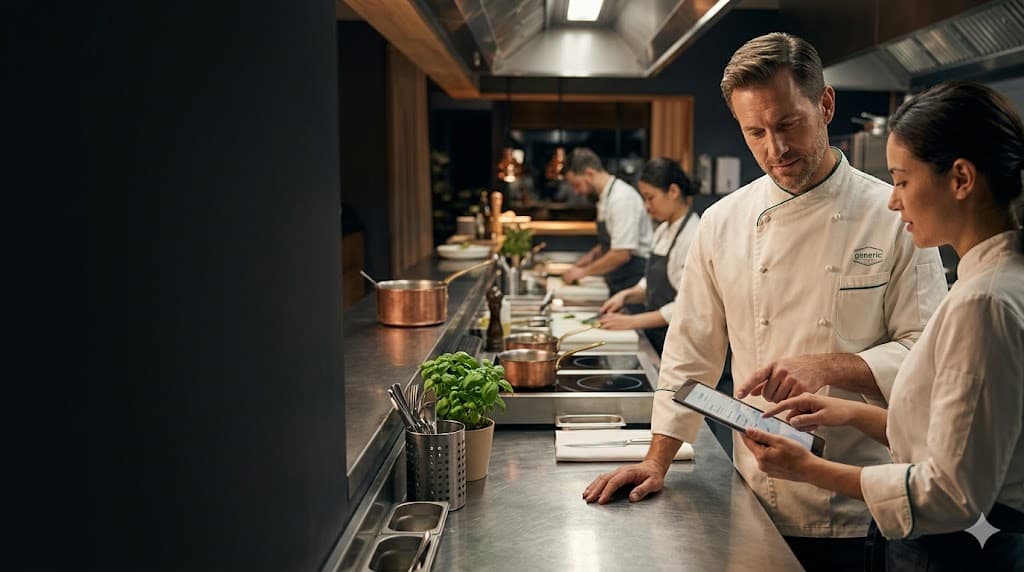
Full-service restaurant dining room
Full-Service Restaurant

Single Location — Lease-Based Operation

The Situation

Restaurant operator received a renewal notice from the landlord requiring updated insurance documentation. When the operator brought us in for a fresh review, the policy from their previous broker didn't match a clause in the lease — a "waiver of subrogation," which is language saying the insurance companies agree not to sue each other if there's a claim. The previous broker had also structured the build-out coverage as if the landlord owned it, leaving the operator's investment in the renovation (the kitchen build, the dining room finishes, the equipment install) sitting uninsured on the operator's own balance sheet.

What We Did

Read the lease line by line against the prior broker's policy. Identified the waiver-of-subrogation gap and the build-out ownership mismatch. Restructured the property coverage so the operator's actual investment in the renovation is covered under their own policy, and added the waiver-of-subrogation language the lease required.

🎯 The Outcome

Replaced the prior coverage with a program that matches the lease requirements exactly. Landlord cleared the new proof of coverage in two days. The operator's renovation investment is now properly insured — not under the landlord's policy, but under the operator's own.

Bar service area with craft cocktails
Bar / Nightlife Operator

Liquor-Heavy Single Location

The Situation

Bar operator's renewal policy from their previous broker carried a cap on liquor liability coverage — a "sublimit," meaning the insurance company only paid out a limited amount on liquor-related claims regardless of the total policy limit. The cap was set substantially below the levels typically required to defend a serious over-service claim or a bar-fight claim. The prior broker had never walked the operator through what the cap meant, and the policy had been renewed forward year after year without that conversation.

What We Did

Documented the cap in writing against the real-world cost ranges of liquor-liability lawsuits in case law. Sourced carriers willing to write the operator's class of business with the full coverage amount available across the whole year, rather than capped under a sublimit, including coverage for bar-fight-type claims (assault and battery extensions).

🎯 The Outcome

Replaced coverage with a carrier writing the operator's full liquor exposure — no cap. The premium reflected the actual exposure the business carries, but the operator now has coverage that will respond at scale to the claim type they're most exposed to.

Food truck quick-service operation
Food Truck Operator

Multi-Site Mobile Food Operation

The Situation

Food truck operator was scaling into a commissary kitchen — a shared commercial cooking facility — that required specific insurance language to access the space: the commissary needed to be named on the operator's policy (additional insured), needed the waiver-of-subrogation clause discussed above, and needed language saying the operator's policy paid first, not the commissary's (primary and non-contributory). The operator was carrying a generic small-business policy a previous broker had written without ever reading a commissary contract. None of the three pieces of language the commissary required were in place.

What We Did

Pulled the commissary contract's exact insurance requirements. Built the policy specifications to match every piece of required language, including naming the commissary's parent company exactly the way the contract called for it. Quoted with carriers willing to write food truck operations with the full commercial documentation the contract demanded.

🎯 The Outcome

Proof of coverage cleared on first submission. Operator gained access to the commissary kitchen and was able to scale into a second cart-route without rebuilding the proof-of-coverage process again from scratch.

Bobby Friel, Partner at Direct Insurance Services

Bobby Friel

Partner, Direct Insurance Services

You know how it is — you're running the restaurant, managing food and beverage cost, watching labor, juggling vendor schedules, working through health department prep, and somewhere in between you renewed an insurance program because the prior policy term came up. The dec page looked reasonable. The premium was within budget. The previous broker assured you it covered everything you needed. And nobody — not the broker, not the landlord, not the liquor authority — actually walked through your lease and your liquor license requirements against the policy schedule. Then your landlord rejects the COI, a customer files a slip-and-fall, or someone gets overserved on a Saturday night, and suddenly you're trying to figure out the policy under deadline pressure.

What we do is read your lease, pull your liquor license requirements, walk your kitchen, and map your real exposure to the actual policy language — before you bind, before you renew, before the landlord audits your COI or a claim lands. On video. So you know exactly what the policy will and won't do, and your broker stops being something you have to manage during a Friday-night rush.

When was the last time anyone read your lease and your liquor license requirements against your actual policy schedule?

On Video Before Binding

Two Videos Worth Watching Before You Submit a Quote

Nobody wins if there are coverage gaps. Our team reads your lease, your liquor license requirements, and your equipment schedule before binding — so the policy actually meets the requirements your operation is already obligated to carry. Watch both before you submit.

Watch: How restaurant insurance actually works

Bobby Friel · Partner, Direct Insurance Services

Watch: A real commercial policy review

Patrick Henigan · Licensed Agent, Direct Insurance Services

Restaurants We Insure

Restaurant Types We Insure in South Dakota

Every restaurant has different exposures. We match your operation to the right carrier and coverage program.

Full Service Restaurants

Dining-room GL, kitchen equipment schedules, liquor liability sized to alcohol revenue percentage

Bars & Nightclubs

High liquor sales liability, assault-and-battery extensions, late-night cover, security vendor coordination

Food Trucks

Commercial auto + commissary kitchen GL, propane / generator exposure, multi-municipality permitting

Fast Casual / Quick Service

High customer count slip-and-fall exposure, drive-thru auto liability, equipment-breakdown for fryer / hood systems

Ghost Kitchens

Multi-brand operator coverage, third-party delivery platform additional insured, commissary-shared GL allocation

Bakeries & Cafes

Lower alcohol exposure, daytime-traffic GL, equipment breakdown for ovens and refrigeration

Coffee Shops

Burn-injury GL, espresso-equipment property, catering / event-hosting endorsements

Hotel Restaurants

Lessor-tenant coverage stack with hotel master policy, banquet / event liability, room-service coordination

Catering Companies

Off-premises liability, vehicle fleet coverage, equipment-in-transit, alcohol-service permit by event

Food Halls & Food Courts

Multi-tenant coordination, shared common-area liability, vendor COI verification, master-program structuring

Ice Cream & Dessert Shops

Refrigeration property + spoilage, seasonal-revenue BI calibration, kid-traffic slip-and-fall exposure

Wine Bars & Tasting Rooms

Lower-volume / higher-margin liquor exposure, event-hosting GL, retail-license + on-premises coordination

📝 Helpful to Have

What Helps Us Build the Right Policy For Your South Dakota Restaurant

The more we know about your lease, your liquor license, and your operation, the more precisely we can match coverage to your real obligations. Here's what helps — and if you don't have all of it, we'll work through it together.

Current dec pageShows existing coverage limits, deductibles, and endorsements
Loss runs (past 5 years)Claims history from your current carrier — we can request these for you
Commercial lease (insurance section)So we verify the policy meets your landlord's exact requirements before binding
Liquor license type + % revenue from alcoholDetermines liquor liability limit and assault-and-battery extension sizing
Equipment schedule + replacement costKitchen buildout, hood systems, walk-ins, POS — equipment breakdown coverage tied to real values
Employee count + annual payrollWorkers' comp class codes and EPLI sizing based on actual operation, not estimated
Delivery operations (in-house or third-party)Hired-and-non-owned auto exposure, third-party platform additional-insured requirements
Health department inspection historyRecent inspection reports help shape the right coverage and identify foreseeable exposure
Start a Restaurant Policy Review →

We walk through these on the call — bring what you have

Coverage Lines

Restaurant Insurance Coverage in South Dakota

The right restaurant insurance program combines multiple coverage types to protect every angle of your South Dakota operation — from the kitchen to the bar to the delivery route.

ESSENTIAL

General Liability

  • Customer slips on icy Sioux Falls restaurant sidewalk
  • Tourist trips on boardwalk at Deadwood restaurant
  • Snow slides off awning onto patron at Rapid City cafe

Covers slip-and-fall injuries, foodborne illness claims, and property damage at your South Dakota restaurant. Tourist-heavy Black Hills restaurants and busy Sioux Falls downtown locations face above-average GL exposure during peak seasons.

ESSENTIAL

Property Insurance

  • Severe hailstorm destroys restaurant roofing and signage
  • Blizzard collapses older restaurant roof in Aberdeen
  • Big Sioux flooding fills Sioux Falls restaurant basement

Protects your building, kitchen equipment, and inventory. South Dakota's severe hail, tornado exposure, and winter blizzard risk make property coverage with adequate limits and manageable wind/hail deductibles absolutely critical.

CRITICAL FOR BARS

Liquor Liability

  • Overserved Sturgis Rally biker causes crash leaving bar
  • Bartender serves minor at Sioux Falls college-area pub
  • Visibly drunk tourist served at Deadwood casino restaurant

South Dakota's dram shop statute (SDCL 35-11) creates liability for serving obviously intoxicated patrons or minors. Deadwood casino-restaurants and Sturgis Rally operations face especially elevated liquor liability exposure.

REQUIRED BY LAW

Workers' Compensation

  • Cook suffers frostbite retrieving delivery in -25 degree wind
  • Server slips on icy loading dock during blizzard delivery
  • Kitchen worker injured during high-volume Sturgis week

Required for all South Dakota employers with one or more employees. Seasonal Black Hills tourism hiring creates compressed workers' comp exposure during summer months, and extreme winter conditions increase slip-and-fall injury frequency.

ESSENTIAL

Business Interruption

  • Blizzard shuts restaurant 5 days during holiday season
  • Hail roof damage forces 3-week closure for repairs
  • Spring flooding closes Sioux Falls restaurant for 2 weeks

Covers lost income when your restaurant cannot operate due to a covered event. Black Hills restaurants doing 60-70% of annual revenue in summer must structure BI coverage to reflect seasonal revenue concentration — a July tornado or hailstorm closure is devastating.

RECOMMENDED

Commercial Auto

  • Delivery truck slides off I-90 during ground blizzard
  • Catering van damaged by hail on Highway 79
  • Employee totals car on icy road commuting to Aberdeen

Covers vehicles used for deliveries, catering, and supply runs. South Dakota's vast distances between population centers and hazardous winter driving conditions create elevated commercial auto exposure for restaurant delivery and catering operations.

Get Restaurant Coverage →

Takes ~2 minutes · We review your lease · Coverage matched to your requirements

Your South Dakota Restaurant Reality

Landscape, Laws, Realities & Cost Drivers

Four angles on what shapes restaurant underwriting and operator exposure for South Dakota operations.

The South Dakota Restaurant Market

South Dakota's restaurant industry reflects the state's dual identity as a Great Plains agricultural powerhouse and a major Western tourism destination. Sioux Falls has emerged as an unexpected culinary bright spot, with the downtown Phillips Avenue corridor, the East Bank district, and the growing 8th and Railroad Center neighborhood supporting a diverse and increasingly sophisticated restaurant scene. With a metro population approaching 300,000, Sioux Falls sustains fine dining concepts, craft breweries, and ethnic restaurants that rival cities twice its size, fueled by a strong local economy and one of the lowest unemployment rates in the nation.

Rapid City and the Black Hills region operate an entirely different restaurant economy driven by the roughly 13 million tourists who visit the Mount Rushmore, Custer State Park, and Badlands corridor each year. Rapid City's Main Street Square anchors a walkable downtown dining district, while Deadwood's historic Main Street sustains casino-restaurants and entertainment-dining concepts under the state's legalized gaming framework. The summer tourist season from Memorial Day through Labor Day generates 60-70% of annual revenue for many Black Hills restaurants, creating extreme seasonal concentration that shapes every aspect of insurance needs.

South Dakota's agricultural heritage directly influences the restaurant scene through locally sourced beef, bison, pheasant, and walleye that define regional menus. The state's craft brewery movement has gained momentum with operations like Fernson Brewing in Sioux Falls, Crow Peak Brewing in Spearfish, and numerous brewpubs across the state. South Dakota's lack of state income tax and business-friendly regulatory environment attract entrepreneurs, but the state's extreme weather, seasonal tourism patterns, and workforce challenges create insurance considerations that require specialized understanding.

Sioux Falls Metro & Big Sioux Valley
Rapid City & Black Hills
Deadwood & Northern Hills
Aberdeen & Northeast South Dakota
Brookings & University Corridor
Mitchell & James River Valley
Yankton & Missouri River Valley
Sturgis & Meade County
Every South Dakota Region

Every South Dakota Region

We look at four things regardless of region: lease insurance requirements, liquor license type and limits, equipment schedule replacement cost, and delivery / commercial auto exposure. Geography picks your perils. These four shape how your policy actually responds.

Premium Drivers

What Drives Your Restaurant Insurance Premium in South Dakota

Restaurant insurance pricing depends on dozens of factors specific to your operation. Here's what drives premiums up or down — and why generic 'starting at $X/month' quotes almost always fail to match your actual risk.

Rating FactorImpact on Premium
Alcohol sales percentage
CriticalLargest liquor liability driver — 3–5x swing
Seating capacity
SignificantMajor GL driver
Late-night operations (after midnight)
Significant40–100% premium swing
Claims history (last 5 years)
Critical30–100%+ swing
Delivery operations (in-house vs third-party)
NotableAdds commercial auto/HNOA exposure
Cooking equipment and fire suppression
Significant20–50% property swing
Building type and age
Significant20–60% swing
Location type (strip mall vs standalone vs mixed-use)
Notable15–40% swing
Number of employees
NotableScales WC linearly
Business interruption limits selected
SignificantAffects premium significantly
Liquor license type and limits
CriticalDetermines required liquor liability limits
Previous violations (health dept, liquor board)
Significant25–75% swing

A complete restaurant insurance program typically includes these policies:

CoveragePurposeTypical Limits
General LiabilitySlip-and-fall, property damage$1M / $2M minimum
Liquor LiabilityAlcohol-related claims (required if serving alcohol)$1M minimum, often higher
Commercial Property & BIBuilding, equipment, income loss from covered events100% replacement cost + 12–18 mo BI
Workers CompensationEmployee injuriesState requirements
Equipment BreakdownMechanical/electrical failures of kitchen equipment$100K–$250K
Commercial Auto + HNOADelivery vehicles and employee personal vehicles$1M combined single limit

Every restaurant is different. Rather than guess at your premium from a generic table, get a real review from a licensed agent who understands restaurant risk — we read your lease, your liquor license, your kitchen schedule, and your loss runs, then run real numbers against the carriers writing your operation's profile.

Risk Calculator

Want to Know Your South Dakota Restaurant Risk Profile?

Our Risk Calculator surfaces the biggest gaps in 60 seconds — no email required.

Restaurant Risk Calculator

Check Your South Dakota Restaurant Risk in 60 Seconds

10 questions, ~6 seconds each. Surfaces liquor liability sub-limit gaps, equipment-schedule mismatches, business interruption shortfalls, and lease compliance exposure.

What it surfaces

Liquor liability

Sub-limit + a/b gaps

Equipment schedule

Replacement cost mismatch

Business interruption

Months-of-rent floor

Lease compliance

Landlord COI requirements

Sample question · 1 of 10~6 sec each

Does your liquor liability policy carry full-aggregate assault-and-battery coverage, or does it have a sub-limit that quietly carves out the most common over-service claim?

Yes, full-aggregate confirmed
Think so, never verified
Has a sub-limit / not sure

Live calculator scores your answers and flags coverage gaps at the end — no email required.

Did you know? Assault-and-battery sub-limits are still showing up on standard restaurant liquor liability forms — and bar-fight claims are the most common type of liquor liability claim filed against restaurants and bars.

FreeNo email required60 seconds10 questions

Policy Mistakes We Find

8 Mistakes That Cost South Dakota Restaurant Owners Six Figures

These are the coverage gaps we see in nearly every restaurant policy review. How many of them apply to your operation?

1

🚨 If a Customer Slips in Your Parking Lot, Who Gets Sued — You or Your Landlord?

Your lease probably says the landlord is responsible for common areas, but their insurer will deny the claim and point at you. Your insurer will deny it and point at them. Meanwhile, you're the one being sued. Do you know whether your GL policy covers slip-and-fall incidents on the sidewalk and parking lot outside your restaurant, or are you assuming someone else is handling that risk?

2

🍺 Do You Know If Your GL Policy Excludes Alcohol Claims?

What happens if an overserved customer gets into a DUI accident leaving your restaurant? Your GL policy almost certainly excludes that claim — and you could be personally liable. When was the last time your agent walked you through exactly what your policy excludes?

3

🔥 When Your Kitchen Closes for 3 Months, What Pays Your Rent?

A grease fire, a plumbing failure, or a health department shutdown can close your restaurant for weeks. Do you have business interruption coverage that actually replaces your lost revenue — or is it capped at an amount that won't cover even one month of rent, wages, and inventory?

4

📋 Does Your Lease Require Coverage You Don't Actually Have?

Most commercial leases have specific insurance requirements buried in the fine print — limits, additional insured endorsements, waiver requirements. When was the last time someone cross-checked your policy against your actual lease? What happens if your landlord audits your COI and finds a gap?

5

❄️ What Happens When Your Walk-In Fails at 2am?

Your walk-in cooler dies overnight and $18,000 of inventory is lost by morning. Does your policy cover food spoilage from equipment breakdown — or only from power outages? Most restaurant owners find out the answer the hard way.

6

👥 Have You Thought About What a Wage & Hour Lawsuit Would Cost You?

Employment lawsuits are the fastest-growing claim type for restaurants — wage and hour disputes, harassment claims, wrongful termination. Does your current policy include Employment Practices Liability (EPLI)? If not, you're paying legal fees and settlements out of pocket.

7

🚗 Who's Covered When Your Delivery Driver Crashes Their Own Car?

If your restaurant does deliveries — even third-party — and your driver is at fault in an accident, are you protected? Hired and non-owned auto coverage is cheap, but most restaurant policies don't include it by default. What happens when the lawsuit names your restaurant?

8

📉 When Was the Last Time Anyone Reviewed Your Coverage Against Your Actual Risk?

Your restaurant has changed since you first bought your policy — new menu, more seats, expanded hours, maybe a liquor license. Has your coverage kept up? Most restaurant owners are paying for coverage that doesn't match their current business and missing coverage that does.

Before You Decide

Things You're Probably Wondering

We're mid-term on our current policy — do we have to wait for renewal?

Not always. If there's a meaningful gap (liquor liability sub-limit too low, equipment schedule years out of date, business interruption insufficient, EPLI missing), it can be worth canceling mid-term and rewriting. We walk through the math on whether the unearned premium refund and new policy cost make sense. If renewal's only 90 days out, usually wait. If your landlord just rejected your COI or you got served on a liquor liability claim, often worth moving now.

How fast can we have coverage in place?

Most restaurant policy reviews wrap in 2–7 business days from first conversation to bound coverage. The faster end of that range happens when your quote submission is thorough — current dec page, recent loss runs, lease, liquor license type, employee count and payroll, and an equipment schedule ready upfront. The longer end is when we're chasing details one piece at a time. For health department openings or liquor license renewals on a deadline, we work to whatever timeline the inspection or license board requires.

What happens if a claim is filed against the restaurant after we're bound?

You call the carrier's claim line first (it's on your dec page) and us second. The carrier handles defense counsel and adjuster assignment. We coordinate on the claim narrative, walk you through what the policy covers, what's reimbursable, and what the carrier needs from your bookkeeper or attorney. You don't navigate it alone — and we stay in the relationship through the claim cycle, not just at renewal.

Our Process

Bobby Friel, Partner at Direct Insurance Services

Bobby Friel

Partner, Direct Insurance Services

How We Work With Your Restaurant

Six steps from first conversation to bound coverage — the consultative review you saw on video earlier, mapped to your lease, your liquor license, and the requirements your operation is already obligated to carry.

1

Read your lease and liquor license

Your commercial lease and state liquor license requirements dictate the limits, endorsements, and additional insured language your policy has to satisfy. We start there, not with a generic quote form.

2

Pull current dec page + sub-limits

Existing limits, endorsements, sub-limits (especially liquor liability assault-and-battery), and any warranty language already on the policy. We document what is in place against what your lease and license require.

3

Pull loss runs + prior claim history

Five years of loss runs, open claims, and any prior claim narratives that shape carrier appetite and renewal pricing. We review them before any market goes out.

4

Map lease + license requirements against the policy schedule

Every requirement from the lease and the state liquor authority gets marked against the policy schedule. Match, gap, or open question. You see the gap before any quote leaves our office.

5

Quote across multiple carriers and walk you through every option on video

We run the submission across restaurant-writing markets and walk you through each option on video — limits, exclusions, sub-limits, and how each carrier treats the liquor liability, EPLI, and equipment-schedule pieces that matter for your operation.

6

Bind, issue COI, and stay in the relationship

When you decide to bind, the certificate goes to your landlord, your liquor authority, your lender, and your health department same-day. We renew with you 90 days out — not 14 days out under deadline pressure.

Multi-Market Restaurant Access

Appointed across restaurant + liquor liability markets

We compare quotes across A-rated carriers writing restaurant + bar risk — not just the cheapest, but the right combination of liquor liability scope, equipment-breakdown coverage, and business interruption sizing for what your operation actually requires. We're appointed across restaurant + hospitality markets the typical local broker can't quote against, including specialty programs for high-alcohol, late-night, and food-truck operations.

5-Star Rated on Google — Policies Serviced by Direct Insurance Services

I run a snow plow removal business and my old insurance provider dropped my coverage!! They got everything sorted out and I was insured the same day. These guys know how to help, use them!!

Jessica K., Google Review

Future Pacing

What Happens After You Have The Right Coverage

Once your restaurant policy actually matches your lease and your state's liquor license requirements, monthly check-ins stop including 'do we have insurance for that' as a topic. Liquor license renewals don't get held up because your liability limit is short. You're not personally exposed in claims your policy should cover. Equipment values reflect what it would actually cost to rebuild your kitchen. And when a real claim hits — a slip and fall, an over-service incident, a kitchen fire, a foodborne illness allegation — you're not finding out at the worst moment that an exclusion you'd never been told about is in the policy.

  • Liquor license renewal clears without coverage holdups
  • Landlord COI issued and accepted on first submission
  • Workers' comp class code reflects your real operation
  • Equipment schedule matches your actual kitchen buildout

Carrier Partners

Carriers We Work With

We compare quotes from multiple A-rated carriers writing restaurant + liquor liability risk to find South Dakota restaurants the right combination of liquor liability scope, equipment-breakdown coverage, and business interruption sizing.

Travelers restaurant insurance carrier logo
Chubb restaurant insurance carrier logo
The Hartford restaurant insurance carrier logo
CNA restaurant insurance carrier logo
Liberty Mutual restaurant insurance carrier logo
Nationwide restaurant insurance carrier logo
AIG restaurant insurance carrier logo
Amwins restaurant insurance carrier logo
USLI restaurant insurance carrier logo
Amtrust restaurant insurance carrier logo
Travelers restaurant insurance carrier logo
Chubb restaurant insurance carrier logo
The Hartford restaurant insurance carrier logo
CNA restaurant insurance carrier logo
Liberty Mutual restaurant insurance carrier logo
Nationwide restaurant insurance carrier logo
AIG restaurant insurance carrier logo
Amwins restaurant insurance carrier logo
USLI restaurant insurance carrier logo
Amtrust restaurant insurance carrier logo

Plus additional specialty restaurant + hospitality markets we're appointed with for high-alcohol, late-night, food-truck, and catering operations.

🗺️ Multi-Market Reach

South Dakota liquor liability statutes and license tiers shape carrier appetite — multi-market shopping matches your operation to the right paper.

Restaurant carriers underwrite state-specific dram shop frameworks, state-specific liquor license tier requirements, and state-specific kitchen-equipment and delivery-operation profiles differently. We shop your lease, your liquor license, your equipment schedule, and your delivery operations across multiple carriers — so your restaurant's program matches South Dakota's framework and your operation's actual risk profile.

The Complete Restaurant Insurance Guide

Insurance Service 365

Want to Go Deeper?

Read The Complete Restaurant Insurance Guide

A comprehensive 5,000-word guide covering liquor liability, business interruption, delivery coverage, lease requirements, and a real $291K kitchen fire case study. Free, no email required.

  • Liquor liability deep-dive — sub-limit vs. full-aggregate, assault-and-battery extensions, dram shop framework by state
  • Business interruption sizing — months-of-rent floor, payroll continuation, ingredient and inventory spoilage
  • Equipment schedule — hood systems, walk-ins, POS, kitchen buildout replacement cost vs. depreciated value
  • The 8 most common gaps — liquor liability sub-limit, EPLI missing, equipment underinsured, HNOA missing, business interruption capped, COI mismatch with lease, lease ordinance-and-law gaps, claim coordination failures
Read the Full Guide →

~5,000 words · 15 min read · Free

Frequently Asked

South Dakota Restaurant Insurance FAQs

South Dakota's dram shop statute (SDCL 35-11-1 through 35-11-5) creates direct liability for licensed establishments that serve obviously intoxicated patrons or minors. While the state does not mandate a specific liquor liability policy by statute, virtually all commercial landlords and prudent operators carry it. Deadwood casino-restaurants face especially elevated exposure due to the combination of gaming and extended alcohol service. Operating any South Dakota restaurant or bar that serves alcohol without liquor liability insurance is one of the most dangerous coverage gaps in the industry.

South Dakota restaurant insurance costs vary by location, type, and operations. A small cafe in Brookings or Watertown might pay $4,000-$10,000 per year, while a mid-size Sioux Falls restaurant with a full bar typically ranges from $12,000-$35,000. Deadwood casino-restaurants and Black Hills tourism operations with high seasonal volume can pay $25,000-$60,000+ depending on gaming operations, seating capacity, and alcohol sales percentage. We shop multiple carriers to find the best combination of coverage and pricing for South Dakota operations.

Yes. South Dakota requires workers' compensation insurance for all employers with one or more employees, with no exceptions for restaurants or food service businesses. Restaurant workers face high injury rates from burns, cuts, slips, and falls. South Dakota uses a competitive private insurance market, so shopping your policy across multiple carriers can result in significant savings. Seasonal tourism operations in the Black Hills should ensure coverage is properly structured for summer hiring surges.

The annual Sturgis Motorcycle Rally draws over 500,000 visitors to western South Dakota during the first two weeks of August, creating extraordinary short-term revenue opportunities and corresponding insurance exposure. Restaurants and bars in the Sturgis-Rapid City-Deadwood corridor may do 15-25% of their annual alcohol revenue during Rally week alone. This concentrated high-volume alcohol service dramatically increases liquor liability exposure. We recommend Rally-area restaurants carry increased liquor liability limits during August, review GL coverage for crowd-related incidents, and ensure business interruption coverage reflects Rally-period revenue.

Deadwood casino-restaurants operate under a dual regulatory framework — the South Dakota Commission on Gaming and the Department of Revenue's alcohol licensing division. These hybrid operations need general liability with gaming-specific endorsements, property insurance covering both restaurant and gaming equipment, liquor liability with limits reflecting extended service hours and gaming-environment consumption patterns, workers' comp for all employees, and business interruption coverage. The combination of gaming, alcohol, and food service creates a unique risk profile that standard restaurant policies do not adequately address.

South Dakota's severe weather profile directly impacts property insurance costs. The state sits in one of the most active hail and tornado regions in the nation, particularly in the eastern half. Commercial property insurers commonly impose wind/hail deductibles of 1-5% of insured value — meaning a restaurant with $500,000 in property coverage could face a $5,000-$25,000 deductible for hail claims. Older buildings, flat-roofed structures, and restaurants with extensive outdoor dining infrastructure face the highest exposure. We help you find policies with manageable deductibles while maintaining adequate coverage limits.

Yes. Black Hills restaurants dependent on summer tourism face extreme revenue concentration — a business interruption during June, July, or August can devastate annual financials. Seasonal operations need property insurance that accounts for vacancy during the off-season (including frozen pipe protection), business interruption structured for seasonal revenue patterns, workers' comp covering seasonal staff surges, and liquor liability reflecting peak summer volume. We work with carriers experienced in tourism-dependent hospitality to build programs that account for the unique seasonal pattern of Black Hills restaurant operations.

The 1972 Rapid City flood remains one of the deadliest flash flood events in American history, and Rapid Creek continues to present flood risk to downtown Rapid City commercial properties. Restaurants near Rapid Creek, the Big Sioux River in Sioux Falls, the Missouri River, and other waterways should carry flood insurance — standard commercial property policies exclude flood damage entirely. FEMA flood maps identify high-risk zones, but the 1972 event proved that flood damage can extend well beyond mapped areas. We recommend flood coverage for any South Dakota restaurant near a waterway, regardless of FEMA zone designation.

Operator Obligations

Operator Obligations & Liability in South Dakota

Understanding your obligations as a South Dakota restaurant operator is essential to protecting yourself, your staff, and your business.

South Dakota requires workers' compensation insurance for all employers with one or more employees, with no exceptions for restaurant or food service businesses. The state uses a competitive private market, and employers can also self-insure with approval from the South Dakota Department of Labor and Regulation. Restaurant classification codes carry moderate rates relative to national averages, though seasonal hiring surges in Black Hills tourism operations create compressed exposure during summer months. South Dakota's regulatory environment is among the most business-friendly in the nation — no state income tax, no corporate income tax, and a relatively streamlined licensing framework. The South Dakota Department of Revenue administers alcohol licensing, with various license types including on-sale (restaurant/bar), off-sale (retail), and special event permits. Deadwood operates under a separate gaming and alcohol regulatory framework administered by the South Dakota Commission on Gaming, and casino-restaurants must comply with both gaming and food service regulations simultaneously. Property insurance in South Dakota must account for the state's severe weather profile. Hail and wind deductibles are commonly applied to commercial property policies, particularly in eastern South Dakota and the Sioux Falls metro. Tornado and severe wind coverage is included in standard property policies but may carry higher deductibles in high-risk areas. Flood insurance is essential for restaurants near the Missouri River, Big Sioux River, and Rapid Creek systems — standard property policies exclude flood damage entirely. The Sturgis Rally and other major events create temporary spikes in business activity that should be reflected in business interruption coverage calculations.

Cost Drivers

What Affects Restaurant Insurance Costs in South Dakota?

Insurance costs for South Dakota restaurants depend on several key factors. Understanding these helps you make informed decisions about coverage and budgeting.

1

Seasonal Tourism Revenue

Black Hills restaurants generate 60-70% of annual revenue during the summer tourist season. This concentration dramatically increases the impact of a summer business interruption and affects how insurers evaluate risk and price BI coverage.

2

Alcohol Sales %

Deadwood casino-restaurants and Sturgis Rally-area bars can derive 50-65% of revenue from alcohol during peak events. High-volume short-duration alcohol service drives up liquor liability premiums compared to standard restaurant operations.

3

Severe Weather Zone

Eastern South Dakota's position in Tornado Alley and the entire state's severe hail exposure mean higher property insurance costs. Wind/hail deductibles of 1-5% are common, significantly increasing out-of-pocket costs for weather claims.

4

Claims History

Prior claims within the last 3-5 years are the primary driver of renewal pricing. South Dakota's small insurance market means a single significant claim can increase premiums 30-50% and severely limit carrier options at renewal.

5

Gaming Operations

Deadwood casino-restaurants face additional underwriting scrutiny due to the combination of gaming, alcohol service, and extended operating hours. Gaming operations typically pay 20-40% more for equivalent liability coverage compared to non-gaming restaurants.

6

Equipment Complexity & Fire Suppression

Kitchen buildout drives a meaningful slice of property + equipment-breakdown premium. Type-1 hood systems, fryer banks, walk-in refrigeration, and Ansul / Amerex fire-suppression compliance with NFPA-96 inspection cadence all swing rates 20–50%. Restaurants with deep-fat operations, mesquite or wood-fired equipment, or dated hood systems face the steepest underwriting scrutiny — and the most preventable claims.

Local

Cities We Serve in South Dakota

We write restaurant insurance for operators across South Dakota, including these major metro areas.

Sioux Falls, SDRapid City, SDAberdeen, SDBrookings, SDWatertown, SDMitchell, SDYankton, SDDeadwood, SD

Nearby

Restaurant Insurance in Nearby States

Explore restaurant coverage in nearby states where we're licensed.

National Footprint

Restaurant Insurance in All 29 States

We write restaurant insurance across 29 states. Select a state to learn about local liquor liability laws, costs, and coverage options.

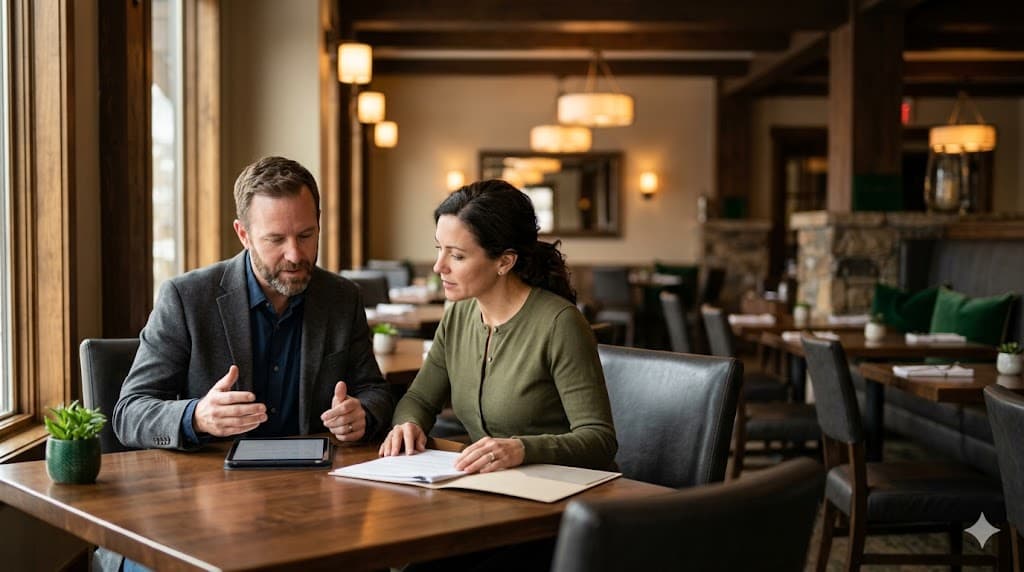
Restaurant operator and broker reviewing a coverage program

Ready When You Are

Ready When You Are

We compare carriers, verify your lease and liquor license requirements, and walk you through your options for South Dakota restaurant coverage.

Get Restaurant Coverage →

Takes ~2 minutes · We review your lease · Coverage matched to your requirements