Arizona BUILDING OWNER INSURANCE SPECIALISTS

Commercial Landlord Insurance in Arizona

Protect your commercial properties in Arizona, including Phoenix, Tucson, Mesa, and surrounding areas. We compare multiple A-rated carriers to find you the right LRO coverage for liability, property damage, loss of rents, and vacancy gaps.

A-Rated CarriersEvery Quote on VideoLease + COI Review

Takes ~2 minutes · We review your leases · Coverage matched to your requirements

5-Star Rated on Google — Policies Serviced by Direct Insurance Services

I run a snow plow removal business and my old insurance provider dropped my coverage!! They got everything sorted out and I was insured the same day. These guys know how to help, use them!!

Jessica K., Google Review

A-Rated Building Owner CarriersEvery Quote Reviewed on VideoLicensed in 29 StatesLender Schedule + Lease COI Compliance

Case Studies

Building Owner Insurance Case Studies

Anonymized examples of policy reviews we have completed for building owners across Arizona and other states.

Editorial illustration representing retail strip center risk in Arizona
Retail Strip Center

Single-tenant specialty retail building, central Scottsdale AZ retail district.

The Situation

High-end furniture tenant (5-year lease, year three), 8,500 sf concrete-block standalone retail building (built pre-2000, roof re-sealed 2017, 2012-vintage HVAC). Policy hadn't been re-audited against the specialty-retail lease in two renewal cycles. Tenant relationship was strong but HVAC maintenance allocation and equipment-breakdown coverage scope were carrying forward unverified on the dec page.

What We Did

Read the specialty-retail tenant's lease line by line against the policy schedule. Documented the HVAC maintenance allocation gap (lease silent on compressor replacement at the 2012-unit lifespan boundary). Pulled the HVAC maintenance history against Phoenix-metro 10-day compressor replacement lead-time reality at peak 118°F+ summer events. Documented the equipment-breakdown coverage scope gap (standard property exclusion plus thin sub-limit). Cross-walked the business interruption sub-limit against luxury-tenant climate-controlled inventory and Scottsdale specialty-retail revenue-cycle exposure. Reviewed the waiver-of-recovery provisions against the lease's tenant-side coverage requirements.

🎯 The Outcome

Replaced coverage on next renewal matching the specialty-retail tenant's lease requirements and the actual heat-and-HVAC exposure profile. Equipment-breakdown coverage upgraded with expedited-replacement support sized to Phoenix-metro 10-day lead-time reality. Business interruption sub-limit raised to reflect luxury-tenant revenue-cycle exposure during peak summer months. HVAC maintenance allocation clarified through lease addendum and documented in the policy file. Waiver-of-recovery provisions added matching tenant-side coverage scope. Maricopa County rising-venue patterns reflected in premises liability tower sizing. Building owner walked into renewal discussions with the tenant holding documentation showing the policy now matched what the lease required — replacing dec-page guesswork at the next renewal.

Editorial illustration representing office building risk in Arizona
Office Building

Multi-tenant Class B professional office, Phoenix Camelback Corridor AZ.

The Situation

32,000 sf three-story office (built 2008, roof replaced 2022, elevators upgraded 2021), seven professional-services tenants. Owner-handled common-area maintenance with dedicated janitor. Policy hadn't been re-audited against the seven leases as a portfolio in three renewal cycles. Additional-insured wording, waiver-of-recovery scope, and premises liability tower sizing were carrying forward unverified on the dec page.

What We Did

Read all seven professional-services tenants' leases line by line against the policy schedule. Documented the additional-insured gap (multiple tenants required name-and-blanket; policy carried inconsistent wording across the portfolio). Documented the waiver-of-recovery provisions gap (leases required mutual waivers, policy contained inconsistent coordination across the portfolio). Pulled the common-area maintenance log against constructive-notice doctrine and prior-complaint pattern discipline. Cross-walked third-floor transition-strip and walking-surface wear evidence against premises liability tower sizing. Mapped Maricopa County rising-venue trajectory against current limits for a Camelback Corridor pedestrian-density office.

🎯 The Outcome

Replaced coverage on next renewal matching the portfolio of seven leases and the actual Camelback Corridor pedestrian-density exposure. Additional-insured blanket endorsement standardized across all seven leases. Mutual waivers of recovery added matching tenant-side coverage scope. Common-area maintenance log discipline reinforced as the key liability evidence under constructive-notice doctrine. Premises liability tower sized to Maricopa County rising-venue trajectory. Walking-surface and transition-strip wear-pattern documentation framework established. Building owner walked into renewal discussions with the seven tenants holding documentation showing the policy now matched what the leases required — strengthening tenant relationships and replacing dec-page guesswork at the next renewal.

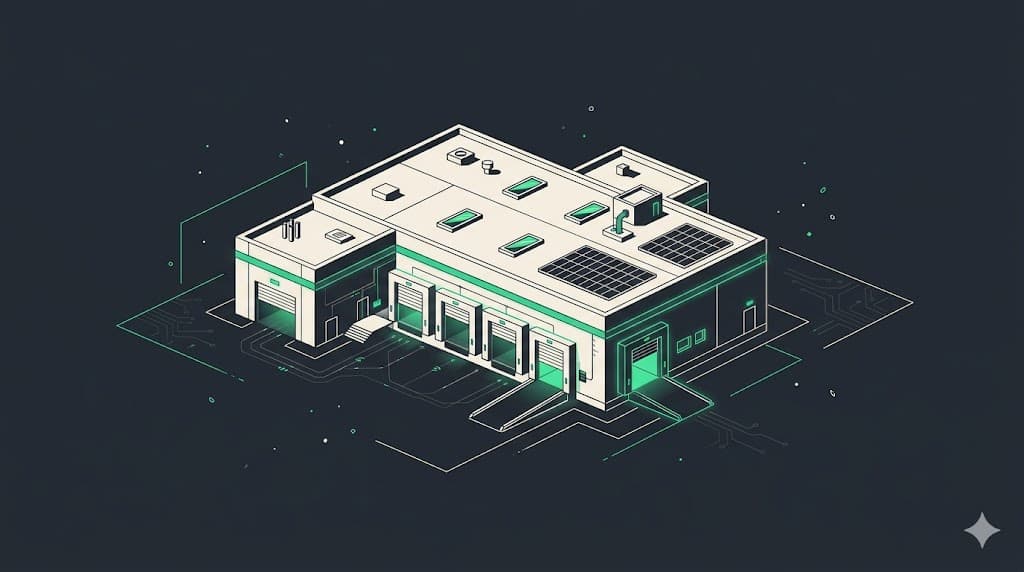
Editorial illustration representing industrial / warehouse risk in Arizona
Industrial / Warehouse

Single-tenant industrial warehouse, Tempe AZ light-industrial corridor.

The Situation

18,000 sf steel-frame warehouse (foundation 1998, single-ply membrane roof 2014). Small-parts distributor with solvent storage in year two of a 5-year lease. No Phase I ESA on file. Policy hadn't been re-audited against the lease or the actual tenant operations in two renewal cycles. Phase I absence and pollution coverage scope were carrying forward unverified on the dec page.

What We Did

Read the small-parts distributor's lease line by line against the policy schedule. Documented the Phase I ESA gap (no documentation on file — ADEQ regulatory enforcement risk on Phase II discovery). Pulled the roof maintenance history against monsoon-season seam-failure risk on 10-year single-ply membrane stock. Documented the pollution liability coverage gap (standard LRO excludes; tenant operations include solvent storage). Cross-walked the environmental indemnity allocation in the lease against actual tenant operations and ADEQ + CERCLA exposure. Reviewed equipment-breakdown and water-intrusion sub-limits against industrial-tenant operational reality.

🎯 The Outcome

Replaced coverage on next renewal scoped to ADEQ environmental responsibility and federal CERCLA exposure on industrial-tenant properties. Phase I ESA commissioned to establish baseline and document responsible-party history. Pollution liability endorsement added covering sub-surface contamination discovery and VOC migration. Environmental indemnity allocation clarified through lease addendum matching tenant solvent-storage operations. Roof maintenance documentation discipline established against monsoon-season seam-failure pattern. Equipment-breakdown and water-intrusion sub-limits sized to industrial-tenant operational reality. Building owner walked into renewal discussions with the tenant holding documentation showing the policy now matched what the lease and the actual operations required — replacing dec-page guesswork at the next renewal.

Bobby Friel, Partner at Direct Insurance Services

Bobby Friel

Partner, Direct Insurance Services

Arizona is the state where 118°F summer afternoons crash HVAC compressors with 10-day replacement lead times, monsoon-season roof intrusion drives water through aging single-ply membrane during peak retail hours, and light-industrial tenants on undocumented Phase I parcels can pull soil samples that surface volatile organic compounds. Your common-law freedom-of-contract lease either assigns these failures clearly to one party, or it doesn't — and the gap is where the building owner program actually performs. Standard commercial-line markets don't underwrite to Arizona's monsoon-season water-intrusion exposure, heat-driven HVAC compressor frequency that disrupts tenants during peak revenue months, or ADEQ environmental responsibility on industrial-tenant properties. The renewal cycle runs off the prior dec page — same limits, same pollution exclusion, no re-read of the lease against HVAC-maintenance allocation or Phase I ESA findings. So when a Scottsdale HVAC failure interrupts tenant operations, or when Tempe industrial sub-slab VOC contamination surfaces, the gap shows up at claim time, not before. What we do is read your lease line by line before we quote. We pull your HVAC maintenance history and Phase I ESA records. We map your additional-insured wording and waiver-of-recovery provisions against your tenant mix and any environmental-history exposure. We walk you through what the building owner program pays — and what it won't — against Arizona's monsoon-season exposure and ADEQ environmental framework on video. Then we shop the carriers that underwrite Arizona-specific exposure — not the commercial-line template the standard renewal cycle runs off. So when you look at your current building owner program against your actual leases and Arizona's monsoon + heat + ADEQ environmental framework — do the equipment-breakdown coverage and the pollution-coverage scope match the exposure your portfolio is actually carrying, or is there a gap worth closing before next renewal? Sound fair?

When was the last time anyone read your active tenant leases against your actual policy schedule?

On Video Before Binding

Two Videos Worth Watching Before You Submit a Quote

Nobody wins if there are coverage gaps. Our team reviews your active leases, your lender's insurance schedule, and your tenant COI portfolio before binding — so your policy schedule actually matches what your leases and lender require. Watch both before you submit.

Watch: How building owner insurance actually works

Bobby Friel · Partner, Direct Insurance Services

Watch: A real commercial policy review

Patrick Henigan · Licensed Agent, Direct Insurance Services

🏢 Property Types

Commercial Property Types We Insure in Arizona

Every property type has different risks. We match your portfolio to the right carrier and coverage program.

Strip Malls & Retail Centers

Multi-tenant common-area liability, ADA path-of-travel, parking lot premise liability

Office Buildings

Tenant common-area exposure, restroom and lobby slip/fall, HVAC and elevator equipment breakdown

Industrial & Warehouse

Loading dock injuries, environmental contamination, structural roof load and BI for tenant operations

Mixed-Use Properties

Coordinated commercial + residential exposures, code-upgrade ordinance gaps, blended tenant-mix risk

Medical & Professional Office

Patient and visitor common-area liability, equipment breakdown for medical infrastructure

Parking Structures

Premises liability for vehicle and pedestrian incidents, lighting and security adequacy claims

Vacant / Under Renovation

Vacancy permit endorsements, builder's risk overlap, contractor liability coordination

Multi-Tenant Commercial

Per-tenant lease compliance audit, blanket schedule structure, tenant-mix umbrella sizing

Financial & Professional Services

Higher invitee traffic, cash-handling tenant security, professional-tenant E&O coordination

Flex Space & Light Industrial

Mixed warehouse + office exposure, loading area safety, equipment breakdown sub-limits

Single-Tenant Retail (NNN)

Triple-net lease assignment review, owner-vs-tenant maintenance allocation, COI verification cycle

Restaurant & Food Service Buildings

Liquor liability tenant exposure, kitchen equipment and grease-fire risk, hood/Ansul lease assignment

Don't see your property type? Start a review and we'll work through it together.

📝 Helpful to Have

What Helps Us Build the Right Building Owner Policy For You

The more we know about your building, your active leases, your lender's insurance schedule, and your current policy, the cleaner the review. None of these are required to start a conversation — but the more you can share upfront, the faster we surface the gaps that matter.

Property addressBuilding location and jurisdiction
Year builtBuilding age and code-upgrade exposure
Occupancy typeTenant mix and use classification
Recent updatesRenovations, system replacements, capital improvements
Prior claimsFive years of loss runs and claim narratives
Active lease templates or lease summaryTenant insurance requirements, additional-insured wording, lessor's waiver provisions, and COI compliance language
Lender's insurance schedule (if mortgaged)Loss-payee structure, replacement cost mandate, ordinance-and-law sublimit, and loss-of-rents period required
Contact info to send optionsEmail and best phone for the video walkthrough

Don't have everything? No problem — start the form and we'll review what we need together.

🛡️ Coverage Breakdown

LRO Insurance Coverage in Arizona

A complete landlord insurance program combines multiple coverage types to protect every angle of your Arizona commercial properties.

CORE COVERAGE

Lessors Risk Only (LRO) Policy

Lessors Risk Only is the foundation of your building owner program. It responds to property damage on the structure, common areas, parking surfaces, and shared infrastructure you own as the landlord — fire, wind, hail, water damage, vandalism, structural failure. It pairs property coverage against general liability for the building itself (not tenant operations) and aligns to your lender's insurance schedule on CMBS-financed and bank-portfolio properties. Arizona building owners face heaviest LRO exposure on heat-driven HVAC compressor frequency (peak 118°F+ events disrupt retail and office tenants during peak revenue months), monsoon-season water-intrusion on aging single-ply membrane stock, and ADEQ environmental responsibility on industrial-tenant Tempe corridor and Tucson I-10/I-19 properties. Phoenix-metro construction cost inflation drives replacement-cost reality 10-15% above national averages. Property limits must reflect actual Phoenix-metro labor markets and the building's environmental and HVAC-maintenance history.

  • 118°F summer afternoon crashes HVAC compressor at Scottsdale specialty retail building
  • Monsoon-season heavy-rain drives water through aging single-ply membrane on Phoenix Camelback office
  • Tempe industrial roof seam failure cascades into VOC environmental claim
  • Tucson 1970s mechanical infrastructure transformer failure disrupts mid-rise CBD office
ESSENTIAL

Commercial General Liability

Commercial general liability is the third-party defense layer of your building owner program. It responds when invitees — tenants, tenant employees, customers, vendors, visitors — claim bodily injury or property damage tied to common areas, parking lots, lobbies, building exteriors, or shared infrastructure you own as the landlord. It pays defense and indemnity within scheduled limits. What it does not cover: claims arising from tenant operations inside leased space (the tenant's GL responsibility). Arizona applies common-law commercial premises liability with implied covenant of good repair — owner duty extends to maintenance ambiguity under lease silence. Constructive notice applies; maintenance log documentation becomes the key liability evidence. Maricopa, Pima, and Coconino County jury venues sit at moderate severity with Maricopa on rising trajectory tracking Phoenix-metro growth. Ninth Circuit ADA Title III enforcement applies with moderate severity. Modified Comparative Fault framework applies (plaintiff barred above 50% fault).

  • Defense and indemnity for third-party bodily injury and property damage on common areas
  • Implied covenant of good repair mapped against your maintenance log documentation
  • Constructive notice prior-complaint pattern evidence reflected in premises liability tower
  • Maricopa County rising-venue trajectory factored into defense and indemnity scope
CRITICAL

Loss of Rents / Business Income

Loss of rents — also called business income coverage for landlords — replaces rental income your building loses when a covered property event makes leased space uninhabitable or interrupts tenant operations. It pays for the period of restoration plus an extended period of indemnity (commonly 12 months, longer for specialty asset types). It pairs against your lender's insurance schedule, which often mandates minimums above standard program defaults. Arizona constructive-eviction claims surface when partial-loss events disrupt tenant operations — particularly heat-driven HVAC failure during peak summer months where 10-day replacement lead times create extended downtime on retail tenants. Scottsdale high-end specialty retail tenant fit-out specificity (luxury-tenant climate-controlled inventory) compounds re-occupancy timing. Phoenix Camelback Corridor Class B/C office and Tempe industrial 3PL tenants face their own re-leasing timeline reality. CMBS lender schedules for Phoenix-metro typically mandate 12-month minimums.

  • Rental income replacement during period of restoration + extended period of indemnity
  • Heat-driven HVAC failure 10-day replacement lead time reflected in business-interruption scope
  • Scottsdale specialty retail and Camelback Corridor Class B/C office fit-out specificity factored into coverage
  • Monsoon-season foreseeable-weather business-interruption exposure underwritten distinctly
OFTEN MISSED

Water Backup & Sewer Coverage

Water backup and sewer coverage responds when water enters the building from a backed-up sewer line, drain, or sump pump failure — exposures that are typically EXCLUDED from standard property coverage. The endorsement covers damage to the building structure, common areas, finishes, and shared mechanical systems caused by water backup events. Coverage sub-limits and deductibles are usually scheduled separately from primary property limits. Arizona water-backup exposure runs heaviest on monsoon-season events where heavy-rain bursts overwhelm aging Phoenix-metro stormwater infrastructure (1970s-1980s build stock), Tucson aging CBD stormwater systems compounded by monsoon flash-flood frequency, and Tempe industrial-corridor loading-dock drainage failure during peak monsoon events. Sub-limits for water backup sit far below primary property limits — sizing requires actual review of basement and below-grade infrastructure, particularly on aging Class B/C office and converted-warehouse stock.

  • Standard property exclusion override — water backup and sump-pump failure covered
  • Sub-limit sized to monsoon-season aging Phoenix-metro stormwater infrastructure
  • Tucson monsoon flash-flood frequency factored into endorsement scope
  • Tempe industrial loading-dock drainage failure exposure underwritten distinctly

Equipment Breakdown

Equipment breakdown coverage — sometimes called boiler-and-machinery — responds when shared building systems fail mechanically: HVAC compressors, elevators, boilers, electrical panels, transformers, fire-suppression pumps. It pays for repair or replacement of the equipment itself plus ensuing damage to the building. Standard property coverage typically EXCLUDES mechanical or electrical breakdown — equipment breakdown is the dedicated endorsement that responds. Arizona building owners carry equipment-breakdown exposure heaviest on heat-driven HVAC compressor frequency — 118°F+ peak summer events drive compressor failure rates above any other state in the IS365 footprint, with 10-day replacement lead times creating cascading business-interruption exposure on retail and office tenants. Tucson aging 1970s-1980s mechanical infrastructure adds another channel. Tempe industrial-tenant environmental equipment scenarios compound the picture. Coverage sub-limits should be sized against the actual equipment schedule with expedited-replacement support.

  • HVAC, elevators, boilers, electrical panels, transformers, fire-suppression pumps all covered
  • 118°F+ peak summer HVAC compressor failure frequency reflected in sub-limits
  • 10-day replacement lead time expedited-replacement support factored into coverage
  • Tucson 1970s-1980s aging mechanical infrastructure underwritten distinctly
RECOMMENDED

Umbrella / Excess Liability

Umbrella or excess liability coverage sits on top of your primary CGL, auto, and (where applicable) employer's-liability towers. It provides additional limits ($2M to $10M and above) that respond when claims exhaust primary coverage. Umbrella towers also drop down to fill gaps in primary on specific perils. For building owners, the umbrella is the layer that protects against high-severity premises liability claims exceeding primary CGL limits. Arizona umbrella tower sizing on commercial-landlord programs reflects Maricopa County rising-venue patterns and Phoenix-metro pedestrian-density retail exposure. ADEQ environmental responsible-party exposure on industrial-tenant properties adds another layer that often requires umbrella drop-down for pollution-coverage gaps in primary. Heat-driven HVAC failure cascade business-interruption exposure adds depth. Multi-tenant Phoenix Camelback Corridor and Tempe industrial corridor portfolios frequently require $3M-$5M umbrella towers to align with lender insurance schedule requirements.

  • $2M-$10M+ excess limits above primary CGL and auto towers
  • Drop-down provisions for ADEQ pollution gaps in primary on industrial-tenant properties
  • Tower sizing reflects Maricopa County rising-venue patterns
  • Multi-property portfolio aggregate-limit clarification handled at program structure

Premium Drivers

What Drives Your Arizona Commercial Landlord Insurance Premium

Commercial landlord insurance pricing depends on dozens of factors specific to your portfolio. Here's what drives premiums up or down — and why generic estimates almost always miss the mark.

Rating FactorImpact on Premium
Building type (office vs retail vs industrial vs mixed-use)
Significant30–80% swing
Construction type and age
Notable20–60% swing
Tenant mix (restaurants, auto repair, medical raise premium)
Significant20–100% swing
Total square footage
CriticalScales volume linearly
Replacement cost (vs purchase price)
CriticalDetermines premium base
Vacancy history
Notable15–40% swing
Loss of rents coverage period
Minor8–15% of property premium
Claims history (last 5 years)
Significant25–100%+ swing
Location (flood zone, earthquake, coastal)
Notable20–75% swing
Protective features (sprinklers, alarms, security)
Notable15–30% swing
Umbrella limits selected
CriticalLinear scaling — most cost-efficient liability layer
Equipment and systems age (HVAC, electrical, plumbing)
Minor10–25% swing

A complete commercial landlord insurance program typically includes these policies:

CoveragePurposeTypical Limits
Lessors Risk PropertyBuilding structure, exterior, parking100% replacement cost
General LiabilityThird-party injuries on property$1M per occurrence / $2M aggregate
Loss of RentsRental income replacement during covered loss12–24 months of total rental income
Vacancy Coverage EndorsementClaims during extended vacancyRequired for units vacant 60+ days
Water Backup / Sewer CoverageSewer and drain backup damage$25K–$100K
Equipment BreakdownMechanical/electrical systems failures$100K–$500K
Umbrella / Excess LiabilityAdditional liability layer$2M–$10M based on portfolio size

Every portfolio is different. Rather than guess at your premium from a generic table, get a real review from a licensed agent who understands commercial landlord risk.

Your Arizona Building Owner Reality

Landscape, Laws, Realities & Cost Drivers

Four angles on what shapes building owner underwriting and lender-schedule compliance for Arizona commercial landlords.

The Commercial Landlord Insurance Landscape in Arizona

Arizona's commercial real estate clusters in Phoenix (Camelback Corridor, central business districts, Tempe, Chandler, Gilbert), Tucson, and Scottsdale. The state's explosive growth has driven significant mixed-use development and retail expansion. Phoenix-metro construction cost inflation routinely outpaces national averages by 10-15%. Commercial real estate operates under common-law freedom-of-contract — Arizona Residential Tenancy Act applies only to residential property, leaving commercial disputes to lease terms. Summer heat (118°F+ peak events) drives HVAC compressor failure frequency; monsoon season (June-September) compounds water-intrusion exposure on aging single-ply membrane stock. ADEQ environmental responsibility framework applies to industrial-tenant properties — Phase I ESA discovery during routine lease renewal is the typical trigger.

Risk Calculator

Want to Know Your Arizona Building Owner Risk Profile?

Our Risk Calculator surfaces the biggest gaps in 60 seconds — no email required.

Building Owner Risk Calculator

Check Your Arizona Building Owner Risk in 60 Seconds

Most building owner programs in Arizona have at least one schedule gap that hasn't surfaced at renewal. Take 60 seconds to check your lender's insurance schedule against actual coverage, ordinance-and-law sublimit relative to building age, loss of rents period against typical recovery curve, lease-required additional-insured endorsements, and umbrella alignment with tenant lease language.

What it surfaces

Lender schedule

Insurance schedule alignment

Loss of rents

Period vs recovery curve

Ordinance & law

Sublimit vs building age

Lease COIs

Additional-insured verification

Sample question · 1 of 10~6 sec each

Does your loss-of-rents period actually cover the realistic rebuild timeline for your building (12 months minimum, 18-24 for older or larger buildings)?

Yes, sized to current rent roll + rebuild timeline
I think so, never verified against rebuild estimate
No / Not sure

Live calculator scores your answers and flags coverage gaps at the end — no email required.

Did you know? A loss-of-rents period sized to last year's rental income against a 6-month rebuild assumption is the most common gap we surface — actual rebuilds for older multi-tenant buildings routinely run 12-18 months once permit and code-upgrade work factors in.

FreeNo email required60 seconds10 questions

⚠️ Policy Gaps We Find

8 Mistakes That Cost Arizona Commercial Landlords Six Figures

These are the coverage gaps we find in nearly every landlord policy review. How many of them apply to your building?

1

📊 Does Your Policy Know the Difference Between a $200K Tenant and a $5M Tenant?

A nail salon doesn't create the same risk as a restaurant with a commercial kitchen. A law office doesn't create the same risk as a gym with tanning beds. Most landlord policies are priced and written as if every tenant is the same. What happens when you lease to a higher-risk tenant and never update your coverage? Your premium stays the same, but your actual exposure doubles or triples.

2

🏢 When Was the Last Time You Read What Your Tenant's Insurance Actually Covers?

What does your tenant's policy do if their equipment starts a fire that destroys your building? Answer: nothing. Tenant policies cover the tenant's property — not yours. So what's protecting your building if the damage originates from their space?

3

🚪 What Happens When a Unit Sits Empty for 60 Days?

Most commercial property policies have vacancy exclusions that kick in at 30 or 60 days. If a pipe bursts in a vacant unit on day 92, your claim is denied — and you're paying for the damage out of pocket. Do you know what the vacancy clause says in your policy, and how to prevent a denial?

4

📋 Does Your Tenant's Insurance Actually Meet the Requirements in Your Lease?

Your lease requires tenants to carry specific coverage — general liability, property, additional insured status for you, and waiver-of-recovery provisions. When was the last time anyone actually verified the COIs on file match your lease requirements? Most landlords find out about the gap only when there's a claim.

5

💸 If Your Biggest Tenant Leaves Tomorrow, Does Your Policy Replace the Rent?

Loss of Rents coverage replaces rental income when your building is uninhabitable after a covered loss. But is your limit high enough to cover actual market rents, and long enough to cover a realistic rebuild timeline? Most landlords have this coverage — just not enough of it.

6

🔧 Who Pays When the HVAC or Elevator Fails?

Equipment breakdown coverage protects against mechanical and electrical failures that standard property policies exclude. A chiller failure in July can cost $40,000 in repairs and weeks of tenant complaints. Does your policy include equipment breakdown — or will you be paying for it out of your own reserves?

7

💵 Is Your Building Insured for Replacement Cost or Purchase Price?

These are very different numbers. You may have bought the building for $800K, but it would cost $1.4M to rebuild today. If your policy is based on purchase price or market value instead of replacement cost, you're underinsured by hundreds of thousands of dollars — and you won't know until you need to rebuild.

8

⚠️ Have You Ever Had a Professional Review Every Lease Against Your Insurance Policy?

Your leases say one thing. Your insurance policy says another. When they don't line up — and they almost never do — you're the one exposed. When was the last time someone did a proper cross-check between your leases, your tenants' COIs, and your own policy?

Before You Decide

Things You're Probably Wondering

We're mid-term on our current policy — do we have to wait for renewal?

Not always. If a meaningful gap is on the policy (lender schedule mismatch, missing lease-required additional insured endorsement, loss-of-rents capped below current rent roll, ordinance-and-law sublimit that doesn't reflect building age, or a tenant COI being rejected for misaligned waiver wording), it's often worth canceling mid-term and rewriting. We walk you through the math on whether the unearned premium refund and new policy cost make sense. If renewal is 90 days out, usually wait. If it's 9 months out and a lender refinance review is held up by a coverage gap, often worth moving now.

How fast can we have coverage in place?

Most reviews wrap in 3-7 business days from first conversation to bound coverage. The faster end happens when your submission is thorough — current dec page, the active leases, your lender's insurance schedule, building details (age, square footage, tenant mix), and loss runs ready upfront. The longer end is when we're chasing details one piece at a time. We don't rush the lease review, but we don't drag one either.

What happens when a lender or tenant pushes back on our COI during compliance review?

You forward us the lender's insurance schedule or the tenant's COI requirement and the rejection notice. We compare what they're asking for against your policy's actual schedule, push the carrier for endorsement adjustments where the gap is real, and reissue a corrected COI or send the requesting party a coverage breakdown that matches their requirements. Most pushback traces to one or two specific endorsement details — once you know which ones, the fix is usually fast and the lease or refinance window doesn't get held up.

Our Process

Bobby Friel, Partner at Direct Insurance Services

Bobby Friel

Partner, Direct Insurance Services

How We Work With Your Building Owner Program

Six steps from first conversation to bound coverage — the consultative review you saw on video earlier, mapped to your active leases, your lender's insurance schedule, and your tenant mix.

1

Read Your Active Leases and Lender Schedule First

Before we quote, we read your active tenant leases — additional insured language, waiver provisions, COI requirements — and your lender's insurance schedule (CMBS or institutional-loan covenants). Your current dec page comes second. Most policies bind off the prior dec page; we work the other direction.

2

Walk Your Building Mix and Tenant Profile

We map your portfolio — single-tenant or multi-tenant, office or retail or industrial or mixed-use, building age and code-upgrade exposure, anchor tenants and rent-roll concentration. Standard commercial-line markets price off averages; building owner programs need to underwrite to specifics.

3

Map Your Current Policy Against Real Exposure

We line up your existing dec page next to what we just read — leases, lender schedule, building mix — and identify the gaps. Lease-required endorsements that aren't there. Loss of rents capped below the lender's minimum. Ordinance-and-law sublimit underwritten to a different building age.

4

Shop Across Multiple Carriers Built for Building Owner Risk

We bring your specific risk profile to multiple carriers actively writing competitive building owner programs in your jurisdiction — not the appointment-limited markets that quote off generic commercial-line templates. Different carriers have different appetites for tenant-mix, building age, and lender-schedule complexity. We match the paper to the risk.

5

Walk Every Option on Video Before You Bind

We record a video walking you through each carrier's offer — what's covered, what's sublimited, where the lender schedule is met or missed, where lease-required endorsements land. You see the structure before you sign anything. No insurance jargon, plain English, your call.

6

Bind, Issue Tenant COIs, and Stay With You at Renewal

Once you choose, we bind coverage, issue tenant-additional-insured COIs against the lease language we already read, and deliver lender-as-mortgagee documentation. Then we stay in the relationship — renewal review starts 90 days early, against the same leases and lender schedule, not against the prior dec page.

🗺️ Multi-Market

Different building owner programs need different carrier appetite. Multi-market shopping finds the fit.

Lender schedules, tenant-mix profiles, building age, and ordinance-and-law exposure each pull different carrier appetites. We match your portfolio to carriers actively writing competitive building owner programs in your jurisdiction — not the appointment-limited markets that bind off the prior dec page.

Future Pacing

What Happens After You Have The Right Coverage

Once your building owner program actually matches your active leases, your lender's insurance schedule, and your tenant mix, COI submissions stop being a panic. Lender refinance reviews don't stall because your loss-of-rents limit is short or your ordinance-and-law sublimit is sized to a different building age. Tenant COI compliance audits don't surface gaps in additional-insured wording or waiver provisions. New tenant onboarding doesn't get held up because the lease language doesn't quite match what your policy will defend. And when a real claim hits — a slip-and-fall in common areas, a roof failure, a tenant-caused property damage event, an environmental contamination discovery — you're not finding out at the worst moment that the policy schedule didn't cover what you assumed it did.

  • Lender insurance schedule reviews clear on first submission, not after multiple endorsement rounds
  • Tenant COI compliance audits don't surface lease-language mismatches or missing endorsements
  • Loss of rents and ordinance-and-law sub-limits sized to current rent roll and building age, not last year's averages
  • Renewal review starts 90 days out with no carrier non-renewal surprises or last-minute appetite changes

Local Risk Intelligence

Critical Building Owner Coverage Gaps by Arizona Metro

Risks vary across Phoenix-metro / Camelback Corridor, Scottsdale, Tucson, and Tempe / Chandler / Gilbert East Valley. Switch tabs for the specific exposures we map for each metro — and the coverage gaps that catch building owners off guard.

Arizona Metro

Phoenix-metro / Camelback Corridor: Critical Building Owner Coverage Gaps

1

Heat-driven HVAC compressor frequency + 118°F+ peak events

Phoenix-metro commercial buildings face heat-driven HVAC compressor failure frequency that standard equipment-breakdown coverage scopes generically — peak 118°F+ summer events crash compressors, drive 10+ day replacement lead times, and cascade into business-interruption exposure on retail and office tenants where climate-control failure interrupts operations during peak revenue months. Camelback Corridor Class B/C office and central Phoenix mixed-use carry concentrated exposure on aging HVAC infrastructure.

Real exampleCamelback Corridor Class B office facing HVAC compressor cascade during 118°F peak event when aging system failure triggered 10-day tenant operational disruption + business-interruption claim exposure.

What you needEquipment-breakdown rider with expedited-replacement support sized to heat-driven HVAC failure + tenant BI cycle review + maintenance documentation discipline on aging HVAC infrastructure.

2

Monsoon-season roof intrusion on aging single-ply membrane

Phoenix-metro monsoon season (June-September) creates foreseeable water-intrusion risk on aging single-ply membrane stock — roof leaks, foundation seepage, and common-area damage frequency drive recurring exposure. Arizona common-law reasonable-care duty applies under implied covenant of good repair, and standard property coverage routinely underwrites monsoon-season exposure at Arizona-generic pricing rather than Phoenix-metro-specific structural reality. Single-ply membrane systems on 1990s-2000s inventory carry concentrated frequency.

Real exampleCamelback Corridor 1998 Class B office facing monsoon-season roof intrusion cascade when aging single-ply membrane seam failure compounded with foundation seepage during June-September peak monsoon events.

What you needMonsoon-season water-intrusion endorsement with foreseeable-weather adjustment + roof maintenance documentation + structural inspection protocol on aging single-ply membrane stock.

3

Maricopa County rising-venue premises liability + Phoenix-metro inflation

Maricopa County jury venues sit on a rising trajectory tracking Phoenix-metro growth — moderate-conservative baseline trending upward on premises liability settlements. **Arizona Ariz. Comp. Negligence Statute applies pure-comparative-negligence framework (rare nationwide — distinct from NC pure contributory + SC + UT modified 50%-bar + WI 51%-bar), requiring distinct documentation discipline.** Phoenix-metro construction cost inflation drives replacement-cost reality 10-15% above national averages.

Real examplePhoenix CBD multi-tenant Class A office facing Maricopa County premises-liability claim under pure-comparative-fault allocation when standard renewal cycle missed venue-trajectory + construction cost inflation update.

What you needPremises liability tower + umbrella sized to Maricopa County rising-venue patterns + pure-comparative-fault documentation discipline + replacement-cost valuation update for Phoenix-metro construction cost inflation.

We also serve building owners in:

Phoenix, AZMesa, AZChandler, AZTempe, AZGilbert, AZGlendale, AZ

📋 Coverage Gap Analysis

Find the gaps before claim time does

We'll review your Arizona building owner program against your actual leases, your portfolio's real exposure, and Arizona-specific statutory framework.

Your dec page says you're covered. We pull your tenant insurance schedules, your additional-insured endorsement forms, your waiver-of-recovery provisions, and your coverage scope — line by line against your lease language and Arizona's statutory framework — and surface the gaps before claim time does.

Carrier Partners

Carriers We Work With

We compare quotes from multiple A-rated carriers writing commercial landlord risk to find Arizona building owners the right combination of coverage, lender-schedule alignment, and price.

Plus additional specialty markets we're appointed with for high-risk tenants, large portfolios, mixed-use, and CMBS-financed buildings.

🗺️ Multi-Market Reach

Lender schedules and tenant-mix profiles pull different carrier appetites — multi-market shopping matches your portfolio to the right paper.

Standard commercial-line markets don't underwrite to LRO-specific exposures. We shop your active leases, your lender's insurance schedule, your tenant-mix risk profile, and your building's age and code-upgrade exposure across carriers actually writing competitive building owner programs in Arizona — not the appointment-limited markets that bind off the prior dec page.

The Complete Commercial Landlord Insurance Guide

Insurance Service 365

Want to Go Deeper?

Read the Complete Commercial Landlord Insurance Guide

A 5,000-word guide covering lessors risk, loss of rents, vacancy exclusions, tenant vs landlord coverage boundaries, and a real vacancy denial case study. Free, no email required.

  • Lessors risk vs commercial property — what each policy covers
  • Loss of rents structure: limit sizing, extended period of indemnity
  • Vacancy exclusion mechanics and how to avoid claim denials
  • Tenant COI verification + lease-required endorsement language

~5,000 words · 15 min read · Free

Frequently Asked

Arizona Commercial Landlord Insurance FAQs

Arizona's extreme heat directly impacts LRO insurance through increased equipment breakdown risk, accelerated roof deterioration, and higher replacement cost estimates that account for heat-related wear. HVAC systems that run nearly continuously from May through October fail more frequently than in temperate climates, and flat membrane roofs degrade faster under sustained UV exposure and 115-degree-plus temperatures. We recommend equipment breakdown coverage as a critical add-on for all Arizona commercial properties and ensure your policy reflects the true cost of heat-rated building materials for replacement cost calculations.

Many Arizona landlords assume desert properties do not face flood risk, but monsoon flash flooding is one of the most common causes of commercial property damage in the Phoenix metro. Standard LRO property policies exclude flood damage. Properties near desert washes, in low-lying areas, or in FEMA-designated flood zones should carry separate flood coverage. Even properties outside mapped flood zones can experience monsoon-driven sheet flooding. We recommend flood insurance for all Arizona commercial properties, particularly those in the East Valley and near the Salt River, Indian Bend Wash, or other drainage corridors.

Arizona's Transaction Privilege Tax (TPT) applies to commercial rental income, unlike most states that do not tax commercial rent. Landlords must obtain a TPT license and remit taxes to the Arizona Department of Revenue. While TPT does not directly affect your LRO insurance premium, failure to comply can create legal liability, and the additional operating cost should be factored into your overall risk management strategy. Your lease should clearly address which party bears the TPT obligation to avoid disputes.

Yes. Since Arizona legalized recreational cannabis through Proposition 207 in 2020, the dispensary market has expanded significantly. Standard admitted carriers generally exclude cannabis tenancies, so coverage must be placed with specialty surplus lines markets. We work with carriers that specifically underwrite cannabis-occupied commercial properties in Arizona. Expect premiums 20-45% higher than comparable non-cannabis properties, and tenants must demonstrate compliance with Arizona Department of Health Services licensing requirements.

LRO insurance costs in the Phoenix metro vary based on property type, value, tenant mix, and claims history. A small retail strip center valued at $1-2 million with low-risk tenants typically costs $2,500-$7,000 per year. A larger mixed-use property valued at $5-10 million with restaurant tenants may cost $12,000-$35,000. Scottsdale resort-area properties and properties with prior monsoon damage claims will trend higher. We compare multiple carriers to find the best rate for your specific property profile.

Arizona commercial leases should require tenants to carry a minimum of $1 million per occurrence general liability, name the landlord as additional insured with primary and non-contributory language, maintain property coverage for tenant improvements, and provide certificates of insurance before occupancy and annually. For restaurant tenants, require liquor liability if serving alcohol. Arizona courts strongly enforce well-drafted commercial lease provisions, so comprehensive insurance requirements in your lease are your first line of protection.

Seasonal resort markets in Arizona can experience significant vacancy during the hot summer months (May through September). Your LRO policy should include loss of rents coverage that accounts for seasonal income fluctuations. We recommend structuring coverage based on your peak-season rental income to ensure you are fully protected. Some carriers offer seasonal endorsements that adjust premiums based on occupancy patterns, which can reduce costs for properties with predictable seasonal vacancy.

Regulatory Snapshot

Arizona Commercial Landlord Insurance Requirements

Key insurance and regulatory requirements that Arizona commercial landlords should know.

1

Arizona Common-Law Freedom-of-Contract — Arizona Residential Tenancy Act excludes commercial property; commercial leases run under freedom-of-contract with lease language determinative on duty allocation.

2

Implied Covenant of Good Repair — Arizona common law imposes duty of reasonable care on owners to maintain premises in safe condition; constructive notice applies.

3

ADEQ Environmental Responsibility Framework — Arizona Department of Environmental Quality regulations apply to commercial properties; Phase I/II ESA findings trigger remediation obligations under ADEQ + CERCLA.

4

Arizona Modified Comparative Fault — Modified comparative-fault framework applies — plaintiff recovery reduced by share of fault, barred above 50% fault threshold.

5

Ninth Circuit ADA Title III Enforcement — Federal ADA Title III applies sitewide; Ninth Circuit enforcement is active with moderate severity on older multi-tenant stock.

6

Monsoon-Season Foreseeable-Weather Exposure — Arizona monsoon season (June-September) creates foreseeable water-intrusion risk that drives common-area maintenance duty under reasonable-care standard.

Regulatory Deep Dive

Arizona Commercial Landlord Regulatory Environment

How Arizona commercial landlord-tenant law shapes building owner coverage — and the modern tenant-mix exposures generic policies miss.

Regulatory Environment

Arizona Commercial Landlord-Tenant Laws

Arizona building owner insurance underwriting runs against a common-law-heavy statutory framework where lease language drives most of the lessor's exposure allocation. The Arizona Residential Tenancy Act explicitly excludes commercial property — commercial leases run under freedom-of-contract, and the lease determines whether HVAC, roof, structural, and common-area maintenance flows to owner or tenant. Arizona common law imposes a duty of reasonable care on property owners to maintain premises in safe condition (implied covenant of good repair); constructive notice applies — owner knowledge of a hazard (even implicit) triggers duty. Arizona's modified Comparative Fault framework applies (plaintiff barred above 50% fault). Maricopa, Pima, and Coconino County jury venues sit at moderate severity (national-median baselines), with Maricopa on a rising trajectory tracking Phoenix-metro growth. ADEQ regulations and federal CERCLA principles govern environmental liability — Arizona does not impose strict liability for environmental contamination on all owners, but ADEQ Phase I/II ESA findings trigger remediation obligations and regulatory enforcement risk. Industrial-tenant operations (Tempe corridor, Chandler tech-adjacent, Tucson I-10/I-19) carry concentrated environmental responsibility exposure. Ninth Circuit ADA Title III enforcement applies with moderate severity. Monsoon-season water-intrusion frequency creates foreseeable-weather exposure under reasonable-care duty. Building owner insurance programs that fail to underwrite against this framework — premises liability sized to generic exposure, equipment-breakdown coverage that doesn't account for heat-driven HVAC failure frequency, pollution coverage without ADEQ scope — surface coverage gaps at claim time that Arizona's standard commercial-line renewal cycle never made room for.

Modern Exposures

Modern Coverage Needs in Arizona

Modern building owner coverage for Arizona building owners requires four endorsement layers that the standard renewal cycle doesn't surface: (1) equipment-breakdown coverage with expedited-replacement support for heat-driven HVAC failure — 118°F+ peak events drive compressor frequency and 10-day-plus replacement lead times create cascading business-interruption exposure on retail tenants during peak revenue months, (2) pollution liability coverage scoped against ADEQ environmental responsibility framework for industrial-tenant properties (Tempe corridor, Chandler tech-adjacent, Tucson I-10/I-19), including coverage triggers for Phase I/II ESA findings during routine lease renewal, (3) monsoon-season water-intrusion coverage with foreseeable-weather exposure adjustment — June-September monsoon events drive recurring exposure that generic flat-limit endorsements undersize, and (4) premises liability limits sized to Maricopa County rising-venue patterns and Phoenix-metro pedestrian-density retail and office exposure. Building owners working with full-service review approach get the lease language read line by line, the HVAC maintenance history pulled and reviewed against heat-driven failure patterns, the Phase 1 ESA pulled and reviewed (or commissioned if not on file), the additional-insured endorsement wording verified against tenant insurance schedules, and the waiver-of-recovery provisions examined for tenant-side bodily-injury coverage extension. Building owners who carry forward generic commercial-line programs at Arizona exposure pricing pay more than the policy actually delivers when claim time surfaces gaps.

🛡️ Lender Schedule + Lease COI Compliance

Building Owner Governance in Arizona

How Arizona commercial landlords actually meet their lender insurance schedule, lease-required additional-insured wording, and tenant COI compliance obligations.

Arizona building owner program governance runs heaviest on lease-driven duty allocation documentation under freedom-of-contract framework. The most common operational gap we surface: leases that don't explicitly assign HVAC maintenance create ambiguous duty allocation at claim time, with implied-covenant-of-good-repair filling the gap against the owner. HVAC maintenance log discipline becomes the key liability evidence under common-law reasonable-care duty. ADEQ environmental compliance creates a second operational gap on industrial-tenant properties — Phase I ESA documentation that doesn't surface adjacent-property contamination history creates fresh exposure at refinance review. Tenant additional-insured COIs that arrive without primary-and-non-contributory wording add a third operational gap. Lender insurance schedule compliance on Phoenix-metro CMBS-financed properties tightens further around equipment-breakdown coverage scope.

📈 Cost Factors

What Affects Commercial Landlord Insurance Costs in Arizona?

Understanding what drives your premium helps you make smarter coverage decisions and control costs.

Property Value + Replacement Cost Reality

Arizona building owners must size replacement cost to Phoenix-metro labor markets, which run premium relative to national averages — Phoenix-metro construction inflation routinely outpaces national by 10-15%. Scottsdale specialty construction carries luxury-trade premium pricing. Tempe-Chandler-Gilbert East Valley sits between Phoenix urban and national baselines. Tucson runs closer to national averages. Periodic appraisal updates (every 2-3 years given Phoenix growth pace) keep replacement-cost values aligned — generic regional averaging routinely underprices Arizona replacement cost by 12-22% on Phoenix-metro Class A and Scottsdale specialty retail.

Building Age + Structural/Code Classification

Arizona building age compounds with rapid-growth-era construction wear patterns. Pre-1990 Tucson CBD inventory and aging Phoenix Camelback Corridor Class B office carry the heaviest code-upgrade exposure — electrical, plumbing, accessibility, and fire-suppression upgrades during partial-loss rebuild routinely run 20-30% of total rebuild cost. Tempe industrial-corridor 1980s-1990s warehouse stock carries aging mechanical replacement urgency. Scottsdale and East Valley post-1995 inventory sits cleaner but Phoenix-metro construction inflation drives replacement-cost reality above standard commercial averages. Heat-driven HVAC and roof-membrane wear runs accelerated relative to temperate-climate national baselines.

Occupancy Type + Tenant Mix Risk Profile

Arizona tenant-mix risk varies sharply by submarket. Scottsdale specialty retail tenants (high-end furniture, luxury goods, climate-controlled inventory) drive distinct operational-risk and fit-out specificity. Phoenix Camelback Corridor Class B/C office (professional services mix) carries standard tenant-fit-out exposure. Tempe industrial-tenant operations (semiconductor-adjacent, light manufacturing, distribution) drive ADEQ environmental responsibility exposure. Tucson university-adjacent retail and CBD office sit between. Chandler tech-corridor and Gilbert suburban office add growth-market exposure. Single-tenant suburban office sits cleanest; multi-tenant Camelback Corridor and Tempe industrial carry the heaviest carrier-appetite cost weighting.

Location-Specific Natural Hazard Exposure

Arizona natural-hazard exposure runs heavy on heat-and-monsoon regimes. 118°F+ peak summer events drive HVAC compressor failure frequency unmatched in the IS365 footprint and create the country's most concentrated heat-driven equipment-breakdown claim category. Monsoon season (June-September) creates foreseeable-weather water-intrusion exposure with flash-flood, roof-membrane failure, and stormwater overload frequency. Haboob dust-storm events add curtain-wall and façade exposure on Phoenix-metro Class A. Wildfire-WUI exposure on Sedona and Northern Arizona properties adds another category. Each hazard drives carrier appetite and deductible structure differentiation across Arizona submarkets, particularly post-2024 reinsurance treaty tightening.

Lease-Aligned Coverage Requirements + Lender Schedule Compliance

Arizona CMBS-financed and bank-portfolio commercial properties carry lender insurance schedule requirements that exceed standard commercial-line defaults — particularly on Phoenix-metro Class A office (legal, financial, healthcare tenant lease specifics), Scottsdale specialty retail (luxury-tenant insurance schedule cycles), and multi-property portfolios. Lease language drives coverage allocation under Arizona freedom-of-contract framework; primary-and-non-contributory wording surfaces as the most common gap on tenant COIs. Implied-covenant-of-good-repair exposure means silent leases default to expansive owner duty — proactive lease audit becomes the operational lever for closing the gap.

Claims History (Last 5 Years)

Arizona building owner claims history runs through underwriting alongside heat-driven HVAC failure frequency and monsoon-season foreseeability reality. A clean 5-year loss history sits differently in carrier appetite than a history with heat-driven equipment-breakdown settlements where business-interruption exposure cascaded into tenant constructive-eviction claims. Monsoon-season water-intrusion claim history carries weight given Arizona's foreseeable-weather exposure under reasonable-care duty. ADEQ environmental claim history (Phase II discovery, VOC contamination, sub-slab migration) compounds the carrier-appetite picture sharply on industrial-tenant properties. ADA accessibility claim history runs lower but trajectory rising on aging Class B/C stock.

Local

Cities We Serve in Arizona

We write LRO insurance for commercial landlords across Arizona, including these major metro areas.

Phoenix, AZTucson, AZMesa, AZScottsdale, AZChandler, AZTempe, AZGilbert, AZGlendale, AZ

Nearby

Commercial Landlord Insurance in Nearby States

We also write LRO insurance for commercial landlords in these neighboring states.

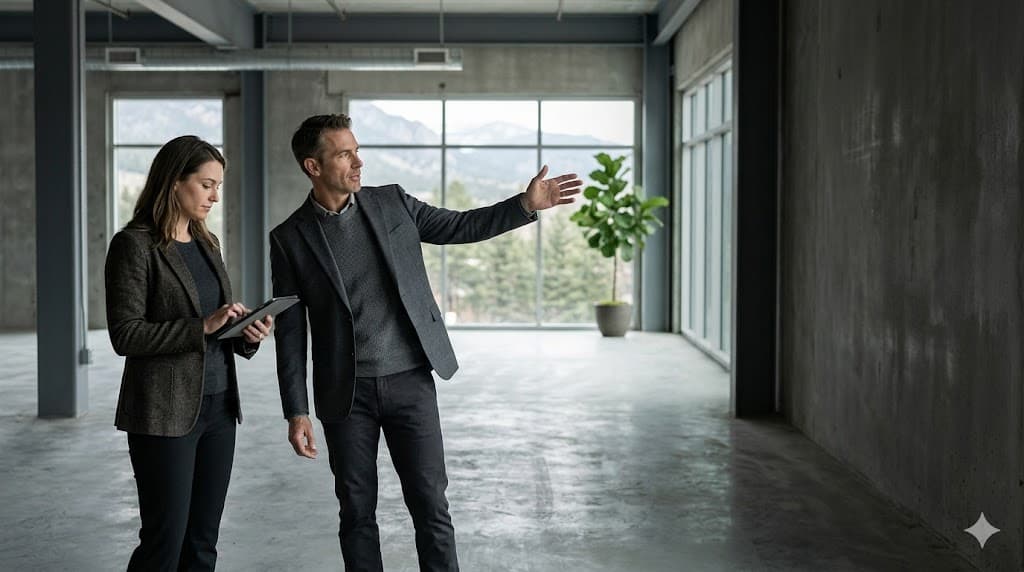
Building owner and broker reviewing a lessors risk program before binding

Ready When You Are

We'll review your leases, compare carriers, and walk you through your LRO coverage options for Arizona commercial properties.