

Arizona CONTRACTOR INSURANCE SPECIALISTS

Contractor Insurance in Arizona

Get the right contractor insurance coverage in Arizona, including Phoenix, Tucson, Mesa. We compare A-rated carriers and review your contracts and COI requirements before binding so your certificates clear the first time.

GC / Trade Sub / SpecialtyContract + Endorsement Review Before BindingCOI Cleared on First Submission

Takes ~2 minutes · We review your contracts · Coverage matched to your COI requirements

5-Star Rated on Google — Policies Serviced by Direct Insurance Services

I run a snow plow removal business and my old insurance provider dropped my coverage!! They got everything sorted out and I was insured the same day. These guys know how to help, use them!!

Jessica K., Google Review

A-Rated Contractor CarriersEvery Quote Reviewed on VideoLicensed in 29 StatesCOI + Endorsement Review

Case Studies

Contractor Insurance Case Studies

Anonymized examples of policy reviews we've completed for contractors across Arizona and other states.

Editorial illustration representing general contractor risk
General Contractor

Luxury Custom Builder — Pool Deck Damage From Truss Delivery

The Situation

A roof-truss delivery truck backed into a neighbor's pool decking during framing, cracking the gunite shell and damaging hardscape. The neighbor sued the GC, the trucking firm, and the truss supplier. The GC's previous broker had labeled the hired and non-owned auto endorsement "optional" — and the trucking sub's auto policy had lapsed three weeks earlier without anyone noticing.

What We Did

Read the GC's existing CGL and the trucking sub's COI requirements. Identified the missing hired and non-owned auto endorsement and the gap in the COI verification process. Restructured the program with mandatory additional-insured certification and 30-day cancellation notice from every transporter and trade sub.

🎯 The Outcome

The GC recovered through the hired and non-owned auto endorsement that almost got stripped at renewal. New COI process means lapses get caught before they become claims, and the previous broker's "optional" labels are gone.


Editorial illustration representing specialty trade risk
Specialty Trade

Tucson Roofing Contractor — Heat Illness Inspection

The Situation

A roofing crew member collapsed from heat illness on a 113-degree July afternoon during a multi-unit reroof. The contractor had a written heat-illness plan but hadn't been enforcing rest-shade-water cycles for 90 days of jobs. ADOSH opened an inspection under the heat-illness emphasis program. The worker's family started exploring an action-over claim against the contractor.

What We Did

Pulled the existing CGL and WC schedule and reviewed the employer's liability limits against Arizona's action-over claim severity. Documented the gap, sourced a program with adequate EL limits, and helped the contractor implement a documented heat-illness compliance protocol.

🎯 The Outcome

WC paid medical and indemnity. The action-over inquiry settled at a nuisance amount. ADOSH citation reduced after the contractor put a real heat-illness program on paper. EL limits now match the action-over reality of Arizona roofing work.

Editorial illustration representing subcontractor risk
Subcontractor

Phoenix Drywall Finisher — Stilts Fall, 1099 Question

The Situation

An independent drywall finisher fell backward off a 6-foot stilts platform on a downtown Phoenix multifamily project, fracturing his pelvis. He had no WC coverage and no health insurance. He sued the GC claiming he was misclassified as a 1099 — that he was a statutory employee owed WC benefits, plus a tort claim for the unprotected platform.

What We Did

Pulled the GC's WC and EL schedule against the actual day-to-day relationship with the finisher. The Independent Contractor Declaration was on file but the working reality showed supervision, scheduled hours, and GC-supplied equipment. Reframed the GC's IC verification process and helped two GCs reclassify hangers as W-2 within 60 days.

🎯 The Outcome

GC's WC carrier covered medical and lost wages through the EL endorsement. The drywall sub's lack of coverage drove him into bankruptcy. The remaining GCs in the program changed their IC posture before the next loss.

Bobby Friel, Partner at Direct Insurance Services

Bobby Friel

Partner, Direct Insurance Services

You know how it is — you got ROC-licensed, got a CGL quote, and the policy has been renewing on autopilot ever since. The work has changed. You added classifications, picked up commercial alongside residential, brought on a foreman who runs his own crew. Tracking whether the policy kept up with all of that isn't something you have time to do — you're running jobs. That's supposed to be your broker's job. Most brokers don't actually do it. They quote you once, email you a renewal each year, and never go back to read whether the policy still matches the work. So when a delivery truck takes out a pool deck, an inspector shows up after a heat-illness incident, or a 1099 finisher falls off stilts — the carrier reads the policy line by line for the first time, looking for a reason to deny. What we do is take that off your plate. We sit down with your active project mix, your trade classifications, your endorsement schedule — and read it against the policy language on video. So you know what your policy will and won't do, and your broker stops being something you have to manage. When was the last time anyone walked your largest active project agreement against your actual policy schedule?

When was the last time anyone read your largest GC contract against your actual policy schedule?

On Video Before Binding

Two Videos Worth Watching Before You Submit a Quote

Nobody wins if there are coverage gaps. Our team reviews contract language, endorsement forms, and classification schedules before binding — so your COI clears the first time and your claims actually respond when you need them. Watch both before you submit.

Watch: How contractor insurance actually works

Bobby Friel · Partner, Direct Insurance Services

Watch: A real commercial policy review

Patrick Henigan · Licensed Agent, Direct Insurance Services

Trades We Insure

Contractor Types We Insure in Arizona

Every trade has different risks. We specialize in matching each contractor type to the right carrier and coverage program.

General Contractors

Multi-trade oversight, additional insured for owners, project-specific aggregates

HVAC & Refrigeration Contractors

Equipment installation liability, refrigerant exposure, service-contract gaps

Landscaping & Hardscaping Contractors

Underground utility strikes, equipment liability, seasonal payroll fluctuation

Roofing Contractors

Steep-slope work, hail-belt frequency claims, manufacturer-warranty coordination

Concrete & Foundation Contractors

Foundation-defect claims, equipment-on-site exposure, decade-long completed ops tail

Pool Construction & Renovation

Equipment installation liability, water-leak claims, contractor-bond requirements

Solar Installation Contractors

Roof-penetration warranties, electrical liability, panel-defect coordination

Stucco & Exterior Coatings Contractors

Falling-debris exposure, scaffold work, historic-restoration liability

Electrical Contractors

Wiring liability, panel work, completed-operations exposure on remodels

Grading & Excavation Contractors

Underground utility strikes, equipment liability, seasonal payroll fluctuation

Plumbing Contractors

Water-damage claims, vacant-property risk, completed-operations on residential

Painting Contractors

Overspray and surrounding-property claims, lead-paint exposure on older homes

📝 Helpful to Have

What Helps Us Build the Right Contractor Policy For You

The more we know about your contracts, classifications, payroll, and equipment, the more precisely we can match coverage to your real exposure. Here's what helps — and if you don't have all of it, we'll work through it together.

Current dec page (all active policies)Shows your existing limits, endorsements, classifications, and any sub-limits or warranties already in place
COI requirements from your largest GCs or ownersEndorsement language, additional-insured wording, waiver of subrogation, and limit floors driving your real coverage minimums
Master subcontract or contract templatesThe indemnification, insurance schedule, and endorsement asks the GC or owner has codified for the work
Trade classification list + revenue splitWhat classifications you actually run, with rough revenue percentages — drives carrier appetite and exposure rating
Payroll + employee count by classWC rating + employer's liability scaling — the biggest WC driver and a common renewal-time surprise
Vehicle list + driver rosterOwned, leased, hired, and employee-personal vehicles used for work — drives commercial auto + HNOA structure
Loss runs (last 5 years)Prior claims, open matters, and claim severity — drives carrier appetite and renewal pricing
Contact info to send optionsEmail and best phone for the video walkthrough

We walk through these on the call — bring what you have

Coverage Lines

Contractor Coverage in Arizona

A complete contractor program combines six coverage lines. Here's how we build it for Arizona GCs, specialty trades, and subcontractors.

General Liability

General liability is the foundation of every contractor program. It responds when third parties — owners, neighbors, the public — claim bodily injury or property damage tied to your work or your jobsite. It defends you, pays settlements within limits, and stops you from absorbing third-party losses out of pocket. What it does not cover is the cost to repair or replace your own work. That gap is real, and it gets contractors who think CGL is everything. In Arizona, ROC-licensed work brings the registrar's discipline framework alongside the policy — and a delivery-truck or pool-deck-style third-party claim still routes through CGL even when a transporter's auto has lapsed. We make sure the additional-insured language and the hired/non-owned auto endorsement actually answer when one of those claims hits.

  • Defense and indemnity for third-party bodily injury and property damage
  • Additional-insured wording verified against your active contracts
  • "Your work" exclusion mapped so the gaps are visible up front

Workers' Compensation + Employer's Liability

Workers' comp pays medical and lost wages when an employee is injured on the job. Employer's liability sits alongside it and covers the lawsuit side — claims from a worker's family, a co-defendant, or another contractor passing a claim through to you — that workers' comp alone doesn't reach. WC is required by law; EL is the lawsuit cover. Both matter, and the limits don't have to match. Arizona is mandatory at one employee, with rating through the standard NCCI framework and CopperPoint as the dominant carrier. The state's heat-illness emphasis program runs ahead of federal OSHA — which means action-over exposure on a roofing or framing crew can land with a citation file already attached. We size EL against that reality, not against the legal floor.

  • WC at the standard rating, mod tracked across renewals
  • EL sized against action-over severity, not the legal floor
  • Sole-prop opt-out documented if applicable, not assumed

Tools & Equipment / Inland Marine

Inland marine covers the rolling stock of a contractor's business — tools, equipment, materials in transit, and contractor-owned gear at jobsites. Standard CGL doesn't reach this exposure. A theft off a remote site, damage during transit, a unit dropped during install, a chiller chassis sitting on a roof pad before commissioning — these are inland marine losses, and the policy form has to be current to actually answer. Arizona crews work jobsites that range from secured Phoenix metro yards to remote Mohave County and the White Mountains. Equipment-theft frequency varies by where the work is. Newer policy forms include telematics-discount provisions and rental-reimbursement extensions; older forms often don't. We read the form against your actual storage and transit pattern.

  • Tools, equipment, materials in transit, gear at jobsites
  • Rental-reimbursement extension if a unit's down
  • Telematics provisions reviewed against your equipment value

Builder's Risk / Course of Construction

Builder's risk covers the structure during construction — the building itself, materials onsite, and materials in transit. It's typically required by the lender, the GC, or the building department on any project of size. The trigger language matters: what perils are covered, what the deductible structure is, whether soft costs are included, whether there's a freeze-loss carve-back. The form your project is on may not match the project's actual exposure profile. Arizona builder's risk concerns lean toward wind, monsoon-season hail, and high-altitude freeze on Flagstaff, Show Low, and White Mountain projects. Lender-driven policies often arrive with deductible structures and exclusions the contractor never read. We walk the policy against the project type, the ZIP-code peril profile, and the soft-cost extension before binding.

  • Structure, materials onsite, materials in transit
  • Deductible structure read before binding (per-occurrence vs percentage)
  • Soft-cost and freeze-loss extensions verified for the project

Professional Liability (Contractors E&O)

CGL pays when your work damages someone else's property. Contractors professional liability — also called contractors E&O — pays to fix the work itself. That's the gap E&O fills. It covers faulty-workmanship, design-spec, and means-and-methods claims. A slab-curing skip, a moisture-meter miss on a flooring install, a value-engineered foundation detail — these get defended and paid through a covered policy instead of out of pocket. Arizona's construction-defect window runs eight years, which means a workmanship claim from 2026 is still alive in 2034. Specialty trades — finish carpentry, EIFS, stucco, flooring, foundations — most often face this exposure with CGL only and discover at the claim that CGL never reached the rework. E&O is the policy that does.

  • Faulty-workmanship and design-deviation defense and indemnity
  • Resulting-damage language read alongside CGL "your work" exclusion
  • Eight-year construction-defect window mapped against the policy term

Commercial Auto + Hired & Non-Owned Auto

Commercial auto covers the vehicles your business owns — pickups, work trucks, equipment-haulers. Hired and non-owned auto (HNOA) fills the gap between your owned fleet and the cars and trucks your employees drive on company business but you don't title — rentals, employees in personal vehicles running parts, foremen using their own pickups for site visits. HNOA is often overlooked by contractors and frequently missing at claim time. Arizona crews routinely run materials and parts in personal pickups, especially on residential and renovation work. When a foreman in his own truck causes an injury accident on the way to a job, the response policy has to be HNOA — and many policies don't have it endorsed correctly. We verify the endorsement against the actual driving pattern.

  • Owned fleet schedule reconciled to actual vehicles
  • HNOA endorsed against the way crews actually drive
  • Borrowed-equipment and rented-vehicle exposure read

Your Arizona Contractor Reality

Landscape, Licensing, Realities & Premium Drivers

Four angles on what shapes contractor underwriting and project compliance for Arizona businesses.

Construction Markets Across Arizona

Arizona's construction market is overwhelmingly concentrated in the Phoenix metropolitan area (Maricopa County), which contains roughly 62% of the state's population. The Greater Phoenix metro includes rapidly growing cities such as Gilbert, Chandler, Surprise, Goodyear, Buckeye, and Queen Creek, where master-planned communities, commercial corridors, and semiconductor fabrication plants (TSMC, Intel) are driving unprecedented demand. Tucson (Pima County) has a more modest construction market centered on the University of Arizona, Davis-Monthan Air Force Base, and regional healthcare. Northern Arizona, including Flagstaff and Prescott, presents a completely different building environment — pine forests, mountain terrain, and cold winters at 7,000 feet elevation require approaches more similar to Colorado than the desert floor. Arizona's Sonoran Desert climate means contractors in the Phoenix basin work in one of the hottest urban environments on Earth, where ambient temperatures exceed 100°F for over 100 days per year. Water scarcity affects dust control, concrete curing, and landscape installation. The state's rapid population growth means permits are being issued at a pace that strains labor supply and municipal inspection capacity.

Phoenix Metro / Valley of the Sun (Maricopa County)
Tucson Metro (Pima County)
Prescott / Quad Cities (Yavapai County)
Flagstaff / Northern Arizona Highlands
Yuma & Western Border Region
Every Arizona Region

Every Arizona Region

We look at four things regardless of region: trade classification, payroll/receipts, subcontractor mix, and loss history. State picks the rulebook. These four shape the price inside it.

Local Risk Intelligence

Critical Coverage Gaps by Arizona City

Risks vary across Phoenix, Tucson, and Mesa. Switch tabs for the specific threats contractors face in each major metro — and the coverage gaps that catch them off guard.

Arizona Metro

Phoenix Contractors: Critical Coverage Gaps

1

Extreme Heat Worker Injuries

Phoenix regularly exceeds 115°F in summer. Heat-related illnesses are the leading cause of worker injury claims for contractors operating during June through September.

Real exampleA roofing crew member suffered heat stroke on a 118°F day in July — medical bills and OSHA fine totaled $82,000.

What you needWorkers compensation with heat illness protocol + OSHA compliance endorsement

2

Monsoon Flash Flood Damage

Phoenix monsoon season (July–September) brings intense flash flooding. Excavations and low-lying job sites in South Phoenix and Laveen regularly flood with little warning.

Real exampleA monsoon storm filled an open foundation excavation in Laveen with 4 feet of water and mud — cleanup and schedule delays cost $95,000.

What you needBuilders risk with flood + inland marine for equipment in flood zones

3

Expansive Soil Foundation Claims

The Phoenix Valley's expansive clay soils shrink and swell dramatically with moisture changes. Foundation contractors face long-tail liability for settling and cracking.

Real exampleA slab foundation cracked 18 months after completion in Gilbert due to expansive soil — the homeowner's structural repair claim was $78,000.

What you needCompleted operations GL with 10-year tail + professional liability

We also serve contractors in:

Chandler, AZScottsdale, AZGilbert, AZTempe, AZPeoria, AZSurprise, AZGoodyear, AZ

Arizona Coverage Gap Analysis

See where your current policy leaves you exposed

We review your contracts, your trade classifications, and your endorsement schedule against the risks specific to where you actually work in Arizona.

Risk Calculator

Want to Know Your Arizona Contractor Risk Profile?

Our Risk Calculator surfaces the biggest gaps in 60 seconds — no email required.

Contractor Risk Calculator

Check Your Arizona Contractor Risk in 60 Seconds

10 questions, ~6 seconds each. Surfaces COI gaps, classification exposure, umbrella tower sufficiency, and equipment coverage misalignment.

What it surfaces

COI gaps

Endorsement misalignment

Classifications

Excluded trade exposure

Umbrella tower

Aggregate sufficiency

Equipment + auto

Inland marine + HNOA

Sample question · 1 of 10~6 sec each

Does your General Liability policy include the additional-insured endorsement form your largest GC actually requires (CG 2010 + CG 2037, or equivalent)?

Yes, current forms confirmed
I think so, never verified
No / Not sure

Live calculator scores your answers and flags coverage gaps at the end — no email required.

Did you know? COI rejection on a single endorsement form mismatch can delay a project start by 2-4 weeks — and lose the bid entirely on retainer work.

FreeNo email required60 seconds10 questions

Policy Mistakes We Find

8 Contractor Insurance Mistakes That Cost Arizona Businesses

These are the gaps we find in almost every contractor policy review. How many apply to yours?

1

📜 When was the last time anyone read your largest GC contract against your actual policy schedule?

Indemnification, additional-insured wording, primary/non-contributory, waiver of subrogation, and limit floors are negotiated in the contract — and most contractors only learn what their policy doesn't match after the COI gets rejected.

2

🚫 Has a GC ever rejected your COI on the first submission — and what did that delay actually cost?

Wrong CG endorsement, missing waiver, certificate-holder name mismatch, insufficient limits — all of it can be checked against the contract before binding. Most rejections trace to one or two specific endorsement details.

3

🛠️ Could you bid a $5M project tomorrow with the limits and endorsements you have today?

Larger commercial contracts demand $2M-$5M aggregate limits, per-project aggregate, blanket additional-insured, and a working umbrella tower. If your program isn't already bid-ready, you're losing work you didn't know you'd lost.

4

👷 Has anyone audited your trade classifications against the work you actually do?

Carriers exclude classifications you didn't disclose. A roofing job billed under a 'painting' classification is the kind of gap that denies the entire claim. Every renewal is a chance to verify your real exposure is still on the policy.

5

🚛 Does your auto policy actually cover work trucks, hired vehicles, and employees driving personal cars on company time?

Personal auto policies exclude business use. Commercial auto + Hired & Non-Owned Auto (HNOA) is the only consistent answer. Most contractors don't realize the gap until an at-fault accident on a job-related drive.

6

🏗️ When you start a new build, does your builder's risk start the day materials hit the site — or the day they're nailed in?

Materials in transit and stored offsite are common gaps. Coverage trigger language, soft cost coverage, and resumption of operations periods all vary by carrier and rarely match the lender's actual expectation.

7

🧰 What covers your tools, equipment, and gear when they leave the office and travel between jobsites?

Standard property doesn't reach equipment in transit or on jobsites. Inland Marine (Contractor's Equipment) is the right line. Coverage limits, per-item caps, and rental-reimbursement extensions all need to map to project schedule reality.

8

📐 What happens when a homeowner or owner blames a design or specification error on your work?

CGL excludes 'your work' and design-spec liability. Contractors E&O / Professional Liability is the only line that responds. Specialty trades that select materials, recommend systems, or sign off on design details are exposed without it.

Before You Decide

Things You're Probably Wondering

We're mid-term on our current policy — do we have to wait for renewal?

Not always. If a meaningful gap is on the policy (wrong CG endorsement, missing waiver of subrogation, an additional-insured form a major GC rejects, an excluded trade classification, an absent inland marine line), it's often worth canceling mid-term and rewriting. We walk you through the math on whether the unearned premium refund and new policy cost make sense. If renewal is 90 days out, usually wait. If it's 9 months out and a $3M project is held up by a COI rejection, often worth moving now.

How fast can we have coverage in place?

Most reviews wrap in 3-7 business days from first conversation to bound coverage. The faster end happens when your submission is thorough — current dec page, the GC contract or COI requirement you're trying to satisfy, classifications and revenue split, payroll, vehicle list, and loss runs ready upfront. The longer end is when we're chasing details one piece at a time. We don't rush the contract review, but we don't drag one either.

What happens when a GC pushes back on our COI during their compliance review?

You forward us the GC's insurance requirements and the rejection notice. We compare what they're asking for against your policy's actual schedule, push the carrier for endorsement adjustments where the gap is real, and reissue a corrected COI or send the GC a coverage breakdown that matches their requirements. Most pushback traces to one or two specific endorsement details — once you know which ones, the fix is usually fast and the project doesn't get held up.

Our Process

Bobby Friel, Partner at Direct Insurance Services

Bobby Friel

Partner, Direct Insurance Services

How We Work With You

Six steps from first conversation to bound coverage — the consultative review you saw on video earlier, mapped to your contracts, your trade, and your crew.

1

Read your largest GC contract or owner agreement

The indemnification, insurance schedule, and endorsement requirements drive what your policy actually has to deliver. We start there, not with a generic quote form.

2

Walk your trade classification + payroll + revenue split

What classifications you actually run, the percentage of revenue each represents, and how payroll maps. Misclassifications cause claim denials — we catch them up front.

3

Pull current dec page + loss runs

Current limits, endorsements, classifications, and sub-limits already in place. Five years of loss runs to spot the patterns carriers will price against.

4

Map the contract requirements against your real policy schedule

We mark every requirement that matches, every requirement that doesn't, and every endorsement we'd need to add. You see the gap before any quote leaves our office.

5

Quote across multiple carriers + walk you through every option on video

We run the submission across our specialty contractor markets and walk you through each carrier's program — limits, endorsements, exclusions, sub-limits, and how each maps to your contracts.

6

Bind, issue COI immediately, and stay in the relationship

When you bind, the certificate goes to your GC, owner, or lender same-day. We renew with you 90 days out — not 14 days out under deadline pressure.

Multi-Market Contractor Access

Appointed across specialty contractor markets

We compare quotes across 30+ A-rated carriers writing contractor risk — not just the cheapest, but the right combination of classifications, endorsements, and limits for your trade and contracts. We're appointed across specialty contractor markets that the typical local broker cannot quote against.

Future Pacing

What Happens After You Have The Right Coverage

Once your contractor program actually matches your contracts, your trades, and your equipment, COI submissions stop being a panic. GC compliance reviews don't stall because your endorsement language doesn't quite match. New project starts move faster because your insurance documentation clears compliance on first submission. Subcontractor onboarding doesn't get held up by certificate rejections. And when a real claim hits — a property loss, a third-party injury, an equipment theft, a design-spec dispute — you're not finding out at the worst moment that the policy schedule didn't cover what you assumed it did.

  • GC contracts and owner requirements clear COI compliance review on first submission
  • New project starts are not delayed by certificate rejections or last-minute endorsement scrambles
  • Trade classifications, payroll exposure, and equipment schedules match the work you actually do
  • Renewal review starts 90 days out with no carrier non-renewal surprises or last-minute appetite changes

Carrier Partners

Carriers We Work With

We compare quotes from multiple A-rated contractor carriers to find Arizona businesses the right combination of coverage, classifications, and price.

Travelers contractor insurance carrier logo
Chubb contractor insurance carrier logo
The Hartford contractor insurance carrier logo
Liberty Mutual contractor insurance carrier logo
CNA contractor insurance carrier logo
Nationwide contractor insurance carrier logo
RLI contractor insurance carrier logo
Amwins contractor insurance carrier logo
Travelers contractor insurance carrier logo
Chubb contractor insurance carrier logo
The Hartford contractor insurance carrier logo
Liberty Mutual contractor insurance carrier logo
CNA contractor insurance carrier logo
Nationwide contractor insurance carrier logo
RLI contractor insurance carrier logo
Amwins contractor insurance carrier logo

Plus additional specialty contractor markets we're appointed with for high-revenue GCs, niche trades, and bid-bond programs.

🗺️ Multi-Market Reach

Arizona contract endorsements and class codes drive carrier appetite — multi-market shopping matches your trade to the right paper.

Contractor carriers underwrite state-specific contract endorsement language, state workers' comp class codes, and state-specific umbrella tower needs differently. We shop your trade, your active GC contracts, and your project mix across multiple commercial carriers — so the policy actually clears Arizona job sites and matches the contracts you sign, not a generic template bound off the prior dec page.

The Complete Contractor Insurance Guide

Insurance Service 365

Want to Go Deeper?

Read the Complete Contractor Insurance Guide

A comprehensive 5,000-word guide covering every coverage type, contract endorsement specifics, real case studies from policy reviews, and the 8 mistakes we find on most contractor reviews. Free, no email required.

  • Contract endorsement deep-dive — CG 20 10 04 13 vs. earlier editions, CG 20 37 completed ops extension, primary and non-contributory, waiver requirements
  • Workers comp classification — NCCI vs. state-bureau states, state-fund coverage in Ohio / Washington / Wyoming, audit-time correction math
  • Completed operations and the long tail — why most contractor claims surface after the work is done, and which policy forms actually carry the right protection
  • The 8 most common gaps — endorsement edition mismatches, classification errors, missing primary/non-contributory, undersized umbrella, scheduled-tools sublimits, HNOA gaps, completed operations exclusions, contract-flow-down failures

~5,000 words · 15 min read

Frequently Asked

Arizona Contractor Insurance FAQs

Yes. Any contractor performing work valued at $1,000 or more (combined labor and materials) must be licensed through the Arizona Registrar of Contractors (ROC). There are residential and commercial license classifications, and applicants must pass both a trade exam and a business management exam.

Arizona contractor insurance premiums depend on your trade classification, payroll, claims history, and the contract requirements from your GCs. To get an accurate number for your Arizona operation, use our Risk Calculator or request a contract-ready quote review.

The surety bond amount depends on your license classification and the volume of work you perform. Most residential contractors need a bond between $2,500 and $7,500, while commercial contractors may need bonds up to $15,000. The ROC sets the specific requirement based on your application.

Yes, all Arizona contractors with one or more employees are required to carry workers' compensation insurance. Sole proprietors and partners without employees may be exempt but can elect voluntary coverage. Arizona allows coverage through private insurance carriers.

Arizona's extreme heat is the single largest occupational hazard for contractors. Phoenix regularly exceeds 110°F from June through September, and surface temperatures on rooftops and asphalt can reach 160°F+. OSHA has increased enforcement of heat illness prevention in Arizona. Workers' comp claims for heat-related illness spike during summer months and can significantly increase experience modification rates.

Arizona's monsoon season (June 15 through September 30) brings sudden, violent thunderstorms with heavy rain, lightning, high winds, and dust storms (haboobs). These storms can flood excavations, wash out unpaved roads, and cause flash flooding in desert washes. Contractors should ensure their builders' risk policies cover flood and windstorm damage.

Arizona's desert soils create unique foundation challenges. Expansive clay soils in the East Valley (Gilbert, Queen Creek, San Tan Valley) can swell dramatically when wet. Caliche — a cement-like calcium carbonate layer — requires specialized excavation equipment. Contractors performing foundation work should carry completed operations coverage, as soil-related foundation failures are the most common construction defect claim in Arizona.

Regulatory Snapshot

Arizona Contractor Insurance Requirements

Key insurance and regulatory requirements that contractors operating in Arizona should know.

1

A surety bond is required for all licensed contractors, with the amount based on the license classification and annual volume of work. Bond amounts typically range from $2,500 to $15,000.

2

Arizona requires all contractors with employees to carry workers' compensation insurance. Sole proprietors may be exempt but are strongly encouraged to carry coverage.

3

The Arizona ROC maintains a public recovery fund that consumers can access if a licensed contractor fails to perform or causes property damage, providing an additional layer of consumer protection.

4

Arizona ROC enforces strict heat safety compliance aligned with federal OSHA guidelines. Contractors must implement heat illness prevention programs including water, rest, shade, and acclimatization protocols when temperatures exceed 80°F, which is most of the year in the Phoenix metro area.

5

Dust control (PM-10) permits are required by Maricopa County Air Quality Department for any land-disturbing activity on sites of one-tenth acre or more. Violations carry fines up to $10,000 per day, and repeat offenders face license suspension through the ROC.

6

Contractors working in active floodplains designated by the Flood Control District of Maricopa County must obtain floodplain use permits and carry additional coverage for flood-related damage to work in progress.

Regulatory Deep Dive

Arizona Contractor Insurance Regulations

How Arizona regulators shape contractor coverage — and the modern exposures generic policies miss.

Regulatory Environment

Insurance Regulatory Environment

Arizona's insurance market is regulated by the Department of Insurance and Financial Institutions (DIFI). The ROC requires licensed contractors to maintain general liability insurance, with minimum amounts varying by license classification. Most project owners require $1 million per occurrence/$2 million aggregate.

Arizona operates a competitive private insurance market for both GL and workers' comp. Arizona's relatively favorable tort environment keeps premiums moderate. The ROC's Residential Contractors Recovery Fund allows consumers to access up to $30,000 per claim if a licensed contractor causes damage.

Arizona has a 9-year statute of repose for construction defect claims (A.R.S. 12-552). The construction defect statute (A.R.S. 12-1361 through 12-1366) requires homeowners to provide written notice and allow the contractor an opportunity to inspect and offer repairs before filing suit.

Modern Exposures

Modern Coverage Needs in Arizona

Arizona's booming construction market embraces technology rapidly. The Phoenix metro's massive scale makes drone surveying nearly universal among larger contractors. Arizona's relatively open airspace makes drone operations accessible, but contractors still need UAS liability coverage since standard GL policies exclude aircraft.

Cyber liability is relevant for Arizona contractors handling personal information associated with new home construction — buyer financial data, architectural plans, and HOA information. Arizona's data breach notification law (A.R.S. 18-552) requires prompt notification of affected individuals.

Pollution liability is critical in specific contexts. Former industrial areas of south Phoenix and areas near former semiconductor plants contain legacy contamination. Dust control violations (PM-10) are also environmental liability — Maricopa County is a non-attainment area for particulate matter.

Cost Drivers

What Affects Contractor Insurance Costs in Arizona?

Contractor insurance pricing depends on your trade, contracts, payroll, and loss history. Here are the factors that carry the most weight in Arizona carrier underwriting.

1

Trade classification mix

Arizona contractor pricing is rated against standard classifications, and a roofing line item rates very differently from a finish-carpentry line item. The actual mix of work the business does — and how cleanly that maps to the classifications on the policy — drives the bulk of WC premium.

2

ROC license class and discipline history

The Registrar of Contractors discipline file follows the contractor through underwriting. A clean ROC history shapes underwriter posture; a complaint or discipline letter changes both pricing and the carriers willing to quote.

3

Heat-illness program documentation

Arizona's state-plan OSHA runs a heat-illness emphasis program ahead of federal OSHA. Contractors with documented heat-illness protocols and trained on-site monitors price differently from those without — on WC, on EL, and on how a citation gets received at renewal.

4

Crew structure — W-2, Independent Contractor Declaration, or mixed

Arizona's Independent Contractor Declaration framework affects how WC premium is calculated and audited. Mixed crews, helpers paid in cash, and stale declarations all reshape the rating call when the auditor arrives.

5

Project geography and equipment storage

Equipment-theft frequency on remote Mohave County and high-country jobsites runs different from secured Phoenix or Tucson metro storage. Inland marine pricing reflects where the gear actually lives between workdays — telematics-equipped fleets get priced down.

6

Loss history and current mod position

Open claims, severity events from prior years, and the current experience-mod position all carry forward. Arizona's rating math compounds prior loss across multiple rating cycles, which means a single severity event reshapes premium for years after the claim closes.

Local

Cities We Serve in Arizona

We write contractor insurance for Phoenix, Tucson, Mesa, and businesses across Arizona.

Phoenix, AZTucson, AZMesa, AZChandler, AZScottsdale, AZGlendale, AZGilbert, AZTempe, AZPeoria, AZSurprise, AZ

Nearby

Contractor Insurance in Nearby States

We write contractor insurance across 29 states. Explore coverage in nearby states where we're licensed.

National Footprint

Contractor Insurance in All 29 States

We write contractor insurance across 29 states. Select a state to learn about local licensing, costs, and coverage options.

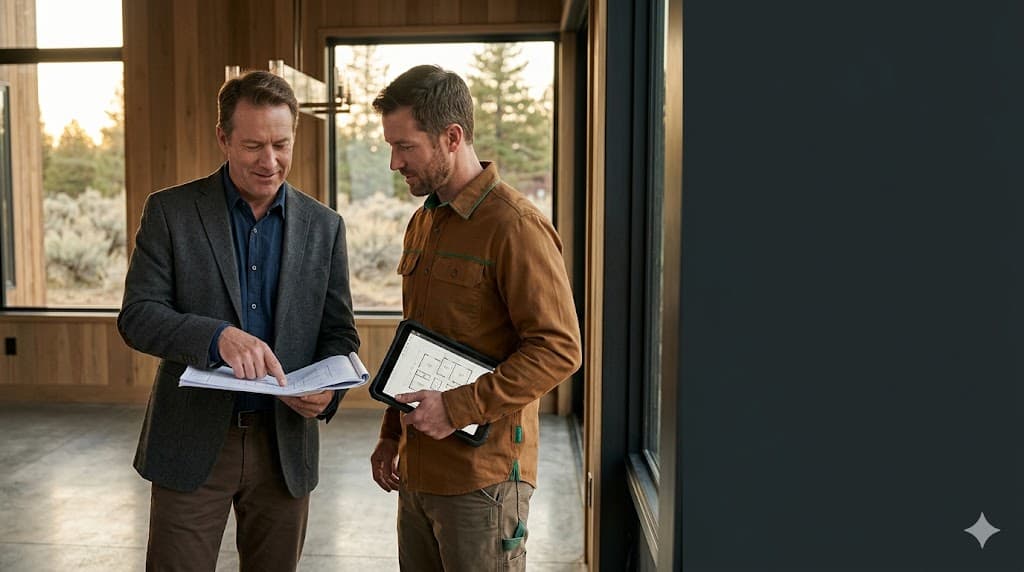
Contractor and broker reviewing a coverage program before binding

Ready When You Are

Ready When You Are

We compare carriers, review your contracts and COI requirements, and walk you through every option for Arizona contractor coverage.

Takes ~2 minutes · We review your requirements · Coverage matched to your contracts