

Tennessee CONTRACTOR INSURANCE SPECIALISTS

Contractor Insurance in Tennessee

Get the right contractor insurance coverage in Tennessee, including Nashville, Memphis, Knoxville. We compare A-rated carriers and review your contracts and COI requirements before binding so your certificates clear the first time.

GC / Trade Sub / SpecialtyContract + Endorsement Review Before BindingCOI Cleared on First Submission

Takes ~2 minutes · We review your contracts · Coverage matched to your COI requirements

5-Star Rated on Google — Policies Serviced by Direct Insurance Services

I run a snow plow removal business and my old insurance provider dropped my coverage!! They got everything sorted out and I was insured the same day. These guys know how to help, use them!!

Jessica K., Google Review

A-Rated Contractor CarriersEvery Quote Reviewed on VideoLicensed in 29 StatesCOI + Endorsement Review

Case Studies

Contractor Insurance Case Studies

Anonymized examples of policy reviews we've completed for contractors across Tennessee and other states.

Editorial illustration representing general contractor risk
General Contractor

Nashville Commercial GC — Bystander Injury Outside CCIP Wrap

The Situation

On a Nashville commercial CCIP-wrapped project, a non-enrolled food truck vendor was injured during a curbside delivery when materials shifted off a flatbed. The CCIP wrap excluded the non-enrolled party. The bystander injury claim went to the GC's outside-the-wrap CGL, which the contractor hadn't reviewed for adequacy in three years.

What We Did

Pulled the wrap envelope and the outside-the-wrap CGL together. Identified the gap in third-party bystander severity coverage and the umbrella tower that wouldn't reach typical Nashville commercial claim values. Restructured the umbrella program before the next bid cycle.

🎯 The Outcome

Claim landed inside the CGL's adjusted limits with the new umbrella in support. The GC learned that CCIP wraps cover enrolled trades — and everything outside the envelope flows to a separate policy that needs its own review every renewal cycle.


Editorial illustration representing specialty trade risk
Specialty Trade

Memphis HVAC Contractor — Dropped RTU on Logistics Roof

The Situation

During an RTU install on a Memphis logistics warehouse roof, a rigging strap failed and a $164,000 unit dropped onto the existing roof structure. Damage to the roof membrane, structural deck, and the RTU itself. The HVAC contractor carried CGL but no installation floater (inland marine) — the policy that should have responded to equipment-during-install exposure.

What We Did

Reviewed the CGL response and confirmed the "your work" exclusion captured the RTU. Sourced an installation floater scaled to the per-unit values the contractor handles every install. Helped the contractor add inland marine before the next phase of the same project.

🎯 The Outcome

Contractor paid $98,000 for the RTU replacement. CGL covered the roof damage. New program includes installation floater. Tennessee HVAC contractors handling six-figure equipment without inland marine are exposed to a loss the CGL doesn't reach.

Editorial illustration representing subcontractor risk
Subcontractor

Knoxville Framer — Construction-Services-Provider Election Audit

The Situation

A Knoxville framer using Tennessee's construction-services-provider election to operate his crew as ICs got pulled into a Department of Labor audit. The audit found the election wasn't being enforced consistently across the crew — supervision and equipment patterns showed employee-like relationships. Back-WC and penalties: $52,000.

What We Did

Walked the framer through the construction-services-provider election conditions against actual day-to-day operations. Restructured the crew so the election applies cleanly where appropriate, with W-2 classification for relationships that don't meet all conditions. Updated WC coverage to absorb the new W-2 payroll.

🎯 The Outcome

Back-WC paid through a payment plan. New program includes properly classified W-2 helpers under WC. Going forward, the construction-services-provider election is enforced and verifiable. Tennessee specialty trades using the election without enforcing all its conditions are exposed to audits the state has been increasing.

Bobby Friel, Partner at Direct Insurance Services

Bobby Friel

Partner, Direct Insurance Services

Most Tennessee contractors assume that because their CILB license is current and their CGL is in place, the rest of the regulatory stack is handled. State-plan OSHA enforcement, the WC threshold differences between construction and non-construction, the project-value licensing trigger, the wrap envelope on Nashville and Memphis commercial work — these all interact with your policy in ways that aren't your job to track. They're the broker's job. Most brokers don't read across all of it. They quoted you against your license and stopped there. So an installation floater never gets bought even though every piece of mechanical equipment your crew touches is six-figure equipment that "your work" CGL exclusion captures during install. A bystander injury falls outside a wrap envelope and the outside-the-wrap CGL doesn't have the limits the situation needs. A construction-services-provider election doesn't get enforced across the crew, and an audit surfaces the gap. What we do is take that off your plate. We sit down with your wrap envelope, your installation-floater posture, your election compliance, and your active project mix — and read it all against the policy language on video. So a wrap-edge claim, a dropped piece of equipment, or an audit doesn't surface a gap. When was the last time anyone walked your wrap envelope and your active project mix against your actual policy schedule?

When was the last time anyone read your largest GC contract against your actual policy schedule?

On Video Before Binding

Two Videos Worth Watching Before You Submit a Quote

Nobody wins if there are coverage gaps. Our team reviews contract language, endorsement forms, and classification schedules before binding — so your COI clears the first time and your claims actually respond when you need them. Watch both before you submit.

Watch: How contractor insurance actually works

Bobby Friel · Partner, Direct Insurance Services

Watch: A real commercial policy review

Patrick Henigan · Licensed Agent, Direct Insurance Services

Trades We Insure

Contractor Types We Insure in Tennessee

Every trade has different risks. We specialize in matching each contractor type to the right carrier and coverage program.

General Contractors

Multi-trade oversight, additional insured for owners, project-specific aggregates

Electrical Contractors

Wiring liability, panel work, completed-operations exposure on remodels

HVAC Contractors

Equipment installation liability, refrigerant exposure, service-contract gaps

Masonry & Concrete Contractors

Foundation-defect claims, equipment-on-site exposure, decade-long completed ops tail

Roofing Contractors

Steep-slope work, hail-belt frequency claims, manufacturer-warranty coordination

Plumbing Contractors

Water-damage claims, vacant-property risk, completed-operations on residential

Excavation & Site Preparation Contractors

Underground utility strikes, equipment liability, seasonal payroll fluctuation

Steel Erection Contractors

Falling-debris exposure, scaffold work, historic-restoration liability

Entertainment Venue Construction

Specialty trade exposure mapped to your contracts, classifications, and project mix

Healthcare Facility Contractors

Specialty trade exposure mapped to your contracts, classifications, and project mix

Painting Contractors

Overspray and surrounding-property claims, lead-paint exposure on older homes

Landscaping & Tree Services

Underground utility strikes, equipment liability, seasonal payroll fluctuation

📝 Helpful to Have

What Helps Us Build the Right Contractor Policy For You

The more we know about your contracts, classifications, payroll, and equipment, the more precisely we can match coverage to your real exposure. Here's what helps — and if you don't have all of it, we'll work through it together.

Current dec page (all active policies)Shows your existing limits, endorsements, classifications, and any sub-limits or warranties already in place
COI requirements from your largest GCs or ownersEndorsement language, additional-insured wording, waiver of subrogation, and limit floors driving your real coverage minimums
Master subcontract or contract templatesThe indemnification, insurance schedule, and endorsement asks the GC or owner has codified for the work
Trade classification list + revenue splitWhat classifications you actually run, with rough revenue percentages — drives carrier appetite and exposure rating
Payroll + employee count by classWC rating + employer's liability scaling — the biggest WC driver and a common renewal-time surprise
Vehicle list + driver rosterOwned, leased, hired, and employee-personal vehicles used for work — drives commercial auto + HNOA structure
Loss runs (last 5 years)Prior claims, open matters, and claim severity — drives carrier appetite and renewal pricing
Contact info to send optionsEmail and best phone for the video walkthrough

We walk through these on the call — bring what you have

Coverage Lines

Contractor Coverage in Tennessee

A complete contractor program combines six coverage lines. Here's how we build it for Tennessee GCs, specialty trades, and subcontractors.

General Liability

General liability is the foundation of every contractor program. It responds when third parties — owners, neighbors, the public — claim bodily injury or property damage tied to your work or your jobsite. It defends you, pays settlements within limits, and stops you from absorbing third-party losses out of pocket. What it does not cover is the cost to repair or replace your own work. That gap is real, and it gets contractors who think CGL is everything. TN's Contractors Licensing Board requires license at $25K project value, with a CPA-prepared financial statement determining the monetary limit on the license. The active classification drives which work the policy will respond to. CGL paired against the active class and the actual contracts is what makes sure the policy reaches the work.

  • Defense and indemnity for third-party bodily injury and property damage
  • Additional-insured wording verified against your TN classification
  • "Your work" exclusion mapped so the gaps are visible up front

Workers' Compensation + Employer's Liability

Workers' comp pays medical and lost wages when an employee is injured on the job. Employer's liability sits alongside it and covers the lawsuit side — claims from a worker's family, a co-defendant, or another contractor passing a claim through to you — that workers' comp alone doesn't reach. WC is required by law; EL is the lawsuit cover. Both matter, and the limits don't have to match. TN is mandatory at one employee in construction (different from five in non-construction) on standard NCCI rating. TOSHA state plan runs full-fidelity to federal OSHA on construction safety. The state's construction-services-provider election creates a usable framework for independent trades — but only when each crew member individually files.

  • WC at the standard NCCI construction-threshold rating
  • EL sized against TOSHA-influenced action-over severity
  • Construction-services-provider per-worker filings verified

Tools & Equipment / Inland Marine

Inland marine covers the rolling stock of a contractor's business — tools, equipment, materials in transit, and contractor-owned gear at jobsites. Standard CGL doesn't reach this exposure. A theft off a remote site, damage during transit, a unit dropped during install, a chiller chassis sitting on a roof pad before commissioning — these are inland marine losses, and the policy form has to be current to actually answer. TN contractors run equipment between Nashville metro yards, Memphis distribution-corridor sites, Knoxville and Chattanooga regional work, and Tri-Cities jobsites. Equipment-theft frequency varies by region. Newer policy forms include the telematics and rental-reimbursement provisions older forms left out.

  • Tools, equipment, materials in transit, gear at jobsites
  • Installation floater for hospital and distribution-warehouse equipment
  • Rental-reimbursement extension if a unit's down

Builder's Risk / Course of Construction

Builder's risk covers the structure during construction — the building itself, materials onsite, and materials in transit. It's typically required by the lender, the GC, or the building department on any project of size. The trigger language matters: what perils are covered, what the deductible structure is, whether soft costs are included, whether there's a freeze-loss carve-back. The form your project is on may not match the project's actual exposure profile. TN's Tornado Alley exposure on western and central Tennessee changes the deductible math on multi-property work. Lender-driven policies often arrive with peril deductibles the contractor never read. We walk the form against the project type, ZIP-code peril profile, and soft-cost extension before binding.

  • Structure, materials onsite, materials in transit
  • Tornado deductible structure read before binding (per-occurrence vs percentage)
  • Soft-cost extension verified for the project schedule

Professional Liability (Contractors E&O)

CGL pays when your work damages someone else's property. Contractors professional liability — also called contractors E&O — pays to fix the work itself. That's the gap E&O fills. It covers faulty-workmanship, design-spec, and means-and-methods claims. A slab-curing skip, a moisture-meter miss on a flooring install, a value-engineered foundation detail — these get defended and paid through a covered policy instead of out of pocket. TN's distribution-warehouse market — particularly Memphis FedEx-hub corridor — drives crane-lift and high-value installation exposure. CGL excludes the workmanship rework on these claims; E&O fills that gap. Nashville multifamily and commercial work also surfaces workmanship-defect tail years after closeout.

  • Faulty-workmanship and design-deviation defense and indemnity
  • Resulting-damage language read alongside CGL "your work" exclusion
  • Distribution-warehouse and multifamily tail exposure mapped

Commercial Auto + Hired & Non-Owned Auto

Commercial auto covers the vehicles your business owns — pickups, work trucks, equipment-haulers. Hired and non-owned auto (HNOA) fills the gap between your owned fleet and the cars and trucks your employees drive on company business but you don't title — rentals, employees in personal vehicles running parts, foremen using their own pickups for site visits. HNOA is often overlooked by contractors and frequently missing at claim time. TN crews drive between Nashville, Memphis, Knoxville, and Chattanooga corridors plus rural-county jobsites — across I-40, I-65, I-75, and I-24. HNOA exposure on employees using personal pickups for parts runs and multi-region site visits is the line that goes missing on policies written for a single market.

  • Owned fleet schedule reconciled to actual vehicles
  • HNOA endorsed against multi-region driving
  • Interstate-corridor severity considered in limits

Your Tennessee Contractor Reality

Landscape, Licensing, Realities & Premium Drivers

Four angles on what shapes contractor underwriting and project compliance for Tennessee businesses.

Construction Markets Across Tennessee

Tennessee's construction market has been transformed by Nashville's emergence as one of America's fastest-growing cities. The Nashville metro has experienced a boom driven by corporate relocations (Amazon, AllianceBernstein, Oracle), healthcare expansion (HCA Healthcare, Vanderbilt), entertainment venue construction along Broadway, and massive residential development in Franklin, Murfreesboro, and Mt. Juliet. Memphis anchors the west, with construction driven by FedEx logistics facilities, St. Jude Children's Research Hospital expansion, and the Memphis Airport modernization. Its Mississippi River position generates port-related industrial construction. Knoxville and Chattanooga drive eastern construction. Knoxville benefits from University of Tennessee projects and TVA headquarters. Chattanooga's fiber-optic infrastructure has attracted tech companies. The Smoky Mountains corridor supports tourism construction for cabins, attractions, and hospitality. Johnson City and the Tri-Cities generate healthcare and education projects.

Nashville Metro (Davidson, Williamson, Rutherford Counties)
Memphis & West Tennessee
Knoxville & East Tennessee
Chattanooga & Southeast Tennessee
Great Smoky Mountains Tourism Corridor
Clarksville-Fort Campbell Military Region

Every Tennessee Region

We look at four things regardless of region: trade classification, payroll/receipts, subcontractor mix, and loss history. State picks the rulebook. These four shape the price inside it.

Local Risk Intelligence

Critical Coverage Gaps by Tennessee City

Risks vary across Nashville, Memphis, and Knoxville. Switch tabs for the specific threats contractors face in each major metro — and the coverage gaps that catch them off guard.

Tennessee Metro

Nashville Contractors: Critical Coverage Gaps

1

Tornado & Severe Storm Exposure

Nashville sits in a tornado corridor. The March 2020 tornado tore through East Nashville, Germantown, and Mt. Juliet, devastating construction sites and completed buildings.

Real exampleAn EF-3 tornado destroyed a partially framed subdivision in Mt. Juliet — builders risk claims totaled $1.2M across 12 homes.

What you needBuilders risk with full wind and tornado + business interruption

2

Cumberland River Flooding

The 2010 Nashville flood caused $2B in damage. Construction sites along the Cumberland River and in low-lying neighborhoods like The Gulch face recurring flood risk.

Real exampleCumberland River flooding inundated a Gulch mixed-use project's underground parking structure — water remediation cost $245,000.

What you needBuilders risk with flood + equipment floater + water damage

3

Bachelorette & Tourism District Liability

Nashville's Broadway entertainment district creates massive pedestrian traffic. Contractors working on Lower Broadway and the Gulch face elevated injury claim exposure.

Real exampleA tourist tripped over a construction plate on Lower Broadway at night — the injury claim settled for $95,000.

What you needGL with $2M per occurrence + pedestrian safety endorsement + $5M umbrella

We also serve contractors in:

Chattanooga, TNClarksville, TNMurfreesboro, TNFranklin, TNJohnson City, TNJackson, TNHendersonville, TN

Tennessee Coverage Gap Analysis

See where your current policy leaves you exposed

We review your contracts, your trade classifications, and your endorsement schedule against the risks specific to where you actually work in Tennessee.

Risk Calculator

Want to Know Your Tennessee Contractor Risk Profile?

Our Risk Calculator surfaces the biggest gaps in 60 seconds — no email required.

Contractor Risk Calculator

Check Your Tennessee Contractor Risk in 60 Seconds

10 questions, ~6 seconds each. Surfaces COI gaps, classification exposure, umbrella tower sufficiency, and equipment coverage misalignment.

What it surfaces

COI gaps

Endorsement misalignment

Classifications

Excluded trade exposure

Umbrella tower

Aggregate sufficiency

Equipment + auto

Inland marine + HNOA

Sample question · 1 of 10~6 sec each

Does your General Liability policy include the additional-insured endorsement form your largest GC actually requires (CG 2010 + CG 2037, or equivalent)?

Yes, current forms confirmed
I think so, never verified
No / Not sure

Live calculator scores your answers and flags coverage gaps at the end — no email required.

Did you know? COI rejection on a single endorsement form mismatch can delay a project start by 2-4 weeks — and lose the bid entirely on retainer work.

FreeNo email required60 seconds10 questions

Policy Mistakes We Find

8 Contractor Insurance Mistakes That Cost Tennessee Businesses

These are the gaps we find in almost every contractor policy review. How many apply to yours?

1

📜 When was the last time anyone read your largest GC contract against your actual policy schedule?

Indemnification, additional-insured wording, primary/non-contributory, waiver of subrogation, and limit floors are negotiated in the contract — and most contractors only learn what their policy doesn't match after the COI gets rejected.

2

🚫 Has a GC ever rejected your COI on the first submission — and what did that delay actually cost?

Wrong CG endorsement, missing waiver, certificate-holder name mismatch, insufficient limits — all of it can be checked against the contract before binding. Most rejections trace to one or two specific endorsement details.

3

🛠️ Could you bid a $5M project tomorrow with the limits and endorsements you have today?

Larger commercial contracts demand $2M-$5M aggregate limits, per-project aggregate, blanket additional-insured, and a working umbrella tower. If your program isn't already bid-ready, you're losing work you didn't know you'd lost.

4

👷 Has anyone audited your trade classifications against the work you actually do?

Carriers exclude classifications you didn't disclose. A roofing job billed under a 'painting' classification is the kind of gap that denies the entire claim. Every renewal is a chance to verify your real exposure is still on the policy.

5

🚛 Does your auto policy actually cover work trucks, hired vehicles, and employees driving personal cars on company time?

Personal auto policies exclude business use. Commercial auto + Hired & Non-Owned Auto (HNOA) is the only consistent answer. Most contractors don't realize the gap until an at-fault accident on a job-related drive.

6

🏗️ When you start a new build, does your builder's risk start the day materials hit the site — or the day they're nailed in?

Materials in transit and stored offsite are common gaps. Coverage trigger language, soft cost coverage, and resumption of operations periods all vary by carrier and rarely match the lender's actual expectation.

7

🧰 What covers your tools, equipment, and gear when they leave the office and travel between jobsites?

Standard property doesn't reach equipment in transit or on jobsites. Inland Marine (Contractor's Equipment) is the right line. Coverage limits, per-item caps, and rental-reimbursement extensions all need to map to project schedule reality.

8

📐 What happens when a homeowner or owner blames a design or specification error on your work?

CGL excludes 'your work' and design-spec liability. Contractors E&O / Professional Liability is the only line that responds. Specialty trades that select materials, recommend systems, or sign off on design details are exposed without it.

Before You Decide

Things You're Probably Wondering

We're mid-term on our current policy — do we have to wait for renewal?

Not always. If a meaningful gap is on the policy (wrong CG endorsement, missing waiver of subrogation, an additional-insured form a major GC rejects, an excluded trade classification, an absent inland marine line), it's often worth canceling mid-term and rewriting. We walk you through the math on whether the unearned premium refund and new policy cost make sense. If renewal is 90 days out, usually wait. If it's 9 months out and a $3M project is held up by a COI rejection, often worth moving now.

How fast can we have coverage in place?

Most reviews wrap in 3-7 business days from first conversation to bound coverage. The faster end happens when your submission is thorough — current dec page, the GC contract or COI requirement you're trying to satisfy, classifications and revenue split, payroll, vehicle list, and loss runs ready upfront. The longer end is when we're chasing details one piece at a time. We don't rush the contract review, but we don't drag one either.

What happens when a GC pushes back on our COI during their compliance review?

You forward us the GC's insurance requirements and the rejection notice. We compare what they're asking for against your policy's actual schedule, push the carrier for endorsement adjustments where the gap is real, and reissue a corrected COI or send the GC a coverage breakdown that matches their requirements. Most pushback traces to one or two specific endorsement details — once you know which ones, the fix is usually fast and the project doesn't get held up.

Our Process

Bobby Friel, Partner at Direct Insurance Services

Bobby Friel

Partner, Direct Insurance Services

How We Work With You

Six steps from first conversation to bound coverage — the consultative review you saw on video earlier, mapped to your contracts, your trade, and your crew.

1

Read your largest GC contract or owner agreement

The indemnification, insurance schedule, and endorsement requirements drive what your policy actually has to deliver. We start there, not with a generic quote form.

2

Walk your trade classification + payroll + revenue split

What classifications you actually run, the percentage of revenue each represents, and how payroll maps. Misclassifications cause claim denials — we catch them up front.

3

Pull current dec page + loss runs

Current limits, endorsements, classifications, and sub-limits already in place. Five years of loss runs to spot the patterns carriers will price against.

4

Map the contract requirements against your real policy schedule

We mark every requirement that matches, every requirement that doesn't, and every endorsement we'd need to add. You see the gap before any quote leaves our office.

5

Quote across multiple carriers + walk you through every option on video

We run the submission across our specialty contractor markets and walk you through each carrier's program — limits, endorsements, exclusions, sub-limits, and how each maps to your contracts.

6

Bind, issue COI immediately, and stay in the relationship

When you bind, the certificate goes to your GC, owner, or lender same-day. We renew with you 90 days out — not 14 days out under deadline pressure.

Multi-Market Contractor Access

Appointed across specialty contractor markets

We compare quotes across 30+ A-rated carriers writing contractor risk — not just the cheapest, but the right combination of classifications, endorsements, and limits for your trade and contracts. We're appointed across specialty contractor markets that the typical local broker cannot quote against.

Future Pacing

What Happens After You Have The Right Coverage

Once your contractor program actually matches your contracts, your trades, and your equipment, COI submissions stop being a panic. GC compliance reviews don't stall because your endorsement language doesn't quite match. New project starts move faster because your insurance documentation clears compliance on first submission. Subcontractor onboarding doesn't get held up by certificate rejections. And when a real claim hits — a property loss, a third-party injury, an equipment theft, a design-spec dispute — you're not finding out at the worst moment that the policy schedule didn't cover what you assumed it did.

  • GC contracts and owner requirements clear COI compliance review on first submission
  • New project starts are not delayed by certificate rejections or last-minute endorsement scrambles
  • Trade classifications, payroll exposure, and equipment schedules match the work you actually do
  • Renewal review starts 90 days out with no carrier non-renewal surprises or last-minute appetite changes

Carrier Partners

Carriers We Work With

We compare quotes from multiple A-rated contractor carriers to find Tennessee businesses the right combination of coverage, classifications, and price.

Travelers contractor insurance carrier logo
Chubb contractor insurance carrier logo
The Hartford contractor insurance carrier logo
Liberty Mutual contractor insurance carrier logo
CNA contractor insurance carrier logo
Nationwide contractor insurance carrier logo
RLI contractor insurance carrier logo
Amwins contractor insurance carrier logo
Travelers contractor insurance carrier logo
Chubb contractor insurance carrier logo
The Hartford contractor insurance carrier logo
Liberty Mutual contractor insurance carrier logo
CNA contractor insurance carrier logo
Nationwide contractor insurance carrier logo
RLI contractor insurance carrier logo
Amwins contractor insurance carrier logo

Plus additional specialty contractor markets we're appointed with for high-revenue GCs, niche trades, and bid-bond programs.

🗺️ Multi-Market Reach

Tennessee contract endorsements and class codes drive carrier appetite — multi-market shopping matches your trade to the right paper.

Contractor carriers underwrite state-specific contract endorsement language, state workers' comp class codes, and state-specific umbrella tower needs differently. We shop your trade, your active GC contracts, and your project mix across multiple commercial carriers — so the policy actually clears Tennessee job sites and matches the contracts you sign, not a generic template bound off the prior dec page.

The Complete Contractor Insurance Guide

Insurance Service 365

Want to Go Deeper?

Read the Complete Contractor Insurance Guide

A comprehensive 5,000-word guide covering every coverage type, contract endorsement specifics, real case studies from policy reviews, and the 8 mistakes we find on most contractor reviews. Free, no email required.

  • Contract endorsement deep-dive — CG 20 10 04 13 vs. earlier editions, CG 20 37 completed ops extension, primary and non-contributory, waiver requirements
  • Workers comp classification — NCCI vs. state-bureau states, state-fund coverage in Ohio / Washington / Wyoming, audit-time correction math
  • Completed operations and the long tail — why most contractor claims surface after the work is done, and which policy forms actually carry the right protection
  • The 8 most common gaps — endorsement edition mismatches, classification errors, missing primary/non-contributory, undersized umbrella, scheduled-tools sublimits, HNOA gaps, completed operations exclusions, contract-flow-down failures

~5,000 words · 15 min read

Frequently Asked

Tennessee Contractor Insurance FAQs

A state contractor license is required in Tennessee for any construction project with a total value (labor and materials) of $25,000 or more. The Tennessee Board for Licensing Contractors issues several classifications with varying monetary limits. Projects under $25,000 may still require local permits and registrations.

Tennessee contractor insurance premiums depend on your trade classification, payroll, claims history, and the contract requirements from your GCs. To get an accurate number for your Tennessee operation, use our Risk Calculator or request a contract-ready quote review.

Workers' compensation is required for all construction employers with five or more employees. Additionally, contractors who hold a state license (for projects $25,000+) must carry workers' comp regardless of employee count. Coverage is obtained through private carriers. Sole proprietors may elect optional coverage.

Tennessee requires contractors to submit financial statements showing adequate working capital for their license classification. For lower monetary limits, a CPA-prepared compilation may suffice. For higher limits, reviewed or audited financial statements are required. This ensures contractors have the financial capacity to complete projects.

Nashville has experienced one of the most dramatic construction booms in the Southeast. Intense competition for labor and the volume of high-profile projects have pushed general liability and workers' compensation premiums higher in the Nashville metro compared to the rest of the state. Contractors working in Nashville should expect premiums 15-25% higher than those in Memphis or Knoxville.

Western Tennessee sits in the southern extension of Tornado Alley, and the devastating March 2020 Nashville tornadoes demonstrated Middle Tennessee's vulnerability. Eastern Tennessee's mountains provide some protection, but valleys remain at risk. Contractors should carry adequate builder's risk and general liability coverage with wind and tornado endorsements throughout the state.

Eastern Tennessee's Smoky Mountains region supports a major tourism construction market including cabins, hotels, and entertainment venues in Gatlinburg, Pigeon Forge, and Sevierville. Mountain construction involves steep terrain, wildfire exposure (the devastating 2016 Gatlinburg fires destroyed 2,400 structures), and difficult access. Pollution liability is recommended for work in sensitive mountain ecosystems.

Regulatory Snapshot

Tennessee Contractor Insurance Requirements

Key insurance and regulatory requirements that contractors operating in Tennessee should know.

1

A state contractor license is required for any project with a total value of $25,000 or more. The license includes monetary limits that determine the maximum project value the contractor can undertake.

2

Workers' compensation is required for all construction employers with five or more employees. However, contractors working on projects requiring a state license must carry workers' comp regardless of the number of employees.

3

Tennessee requires licensed contractors to provide financial statements demonstrating adequate working capital for their license monetary limit. Higher license limits require audited financial statements.

4

The Tennessee Board for Licensing Contractors classifies licenses by monetary limit: BC-A (unlimited), BC-B (up to $1.5 million), BC-b (up to $750,000), and BC-C (up to $500,000). Each classification has specific financial statement requirements and exam prerequisites.

5

Tennessee's Home Improvement Act requires contractors performing residential work valued between $3,000 and $25,000 to register with the Tennessee Board for Licensing Contractors, even though a full license is not required. This registration provides consumer protection for smaller residential projects.

6

Contractors working in Tennessee's entertainment venue construction sector, particularly in Nashville, must comply with specific building codes related to assembly occupancy, including enhanced fire protection, structural load requirements for rooftop venues, and ADA compliance for public accommodation spaces.

Regulatory Deep Dive

Tennessee Contractor Insurance Regulations

How Tennessee regulators shape contractor coverage — and the modern exposures generic policies miss.

Regulatory Environment

Insurance Regulatory Environment

Tennessee's insurance is regulated by the Department of Commerce and Insurance using a competitive file-and-use rating system. The growing economy attracts multiple carriers, creating a competitive environment. Premiums are moderate by national standards, though Nashville has seen above-average increases reflecting the construction boom.

The Board for Licensing Contractors does not mandate specific insurance minimums, but requiring workers' comp for licensed contractors effectively creates an insurance mandate for projects over $25,000. Most project owners require $1 million or more in general liability as a contractual requirement.

Tennessee's workers' comp system uses a competitive private market with an assigned risk pool. The 2013 reform shifted from court-based to administrative dispute resolution, helping reduce litigation costs and stabilize premiums.

Modern Exposures

Modern Coverage Needs in Tennessee

Drone usage has expanded significantly in Tennessee, particularly for Nashville development site photography, roof inspections, and highway construction documentation along I-40 and I-65. Tennessee does not impose state-level drone restrictions beyond FAA requirements, but dedicated drone liability coverage is essential.

Cyber liability is increasingly important. Nashville's healthcare industry hub means contractors on hospital projects may handle HIPAA-protected information. Wire fraud targeting construction payments has been reported across Tennessee's major metros. A comprehensive cyber liability policy is becoming standard.

Pollution liability is relevant across several contexts. Memphis and Nashville have legacy industrial contamination. The Oak Ridge area has nuclear legacy contamination from Manhattan Project facilities. Renovation of historic Nashville buildings in the Gulch and Germantown can expose contractors to lead paint and asbestos. Smoky Mountain construction faces environmental sensitivity concerns.

Cost Drivers

What Affects Contractor Insurance Costs in Tennessee?

Contractor insurance pricing depends on your trade, contracts, payroll, and loss history. Here are the factors that carry the most weight in Tennessee carrier underwriting.

1

License classification and financial-statement posture

TN's Contractors Licensing Board requires a CPA-prepared financial statement that determines the monetary limit on the license. The active classification combined with financial-strength position drives both CGL underwriter posture and which carriers will quote at renewal.

2

WC threshold (1 employee in construction vs. 5 elsewhere)

TN's WC threshold drops to one employee in construction — different from the five-employee threshold in non-construction. Contractors who run small crews need the policy structured for the construction-specific threshold, not the broader rule.

3

Construction-services-provider election compliance (per-worker filing)

TN's construction-services-provider election creates a usable independent-contractor framework — but only when each individual crew member files their own election. Contractors whose crews haven't all filed are exposed at audit even when the lead contractor has filed.

4

TOSHA inspection history (state plan vs. federal)

TN's state-plan OSHA runs full-fidelity to federal OSHA on construction safety. Citation history — serious, repeat, willful — flows into both WC pricing and EL underwriter posture across multiple rating cycles after any single severity event.

5

Distribution-warehouse and Nashville multifamily project mix

TN's Memphis FedEx-hub distribution work and Nashville multifamily wraps drive high-value installation-floater and outside-the-wrap CGL needs. The percentage of these project types in the mix shapes both endorsement structure and umbrella sizing.

6

Loss history including installation and workmanship-defect claims

Open completed-operations claims, prior installation-floater events on distribution work, and TOSHA citation history all carry into renewal pricing. TN's NCCI rating math compounds prior loss across multiple rating cycles.

Local

Cities We Serve in Tennessee

We write contractor insurance for Nashville, Memphis, Knoxville, and businesses across Tennessee.

Nashville, TNMemphis, TNKnoxville, TNChattanooga, TNClarksville, TNMurfreesboro, TNFranklin, TNJohnson City, TNJackson, TNBartlett, TN

Nearby

Contractor Insurance in Nearby States

We write contractor insurance across 29 states. Explore coverage in nearby states where we're licensed.

National Footprint

Contractor Insurance in All 29 States

We write contractor insurance across 29 states. Select a state to learn about local licensing, costs, and coverage options.

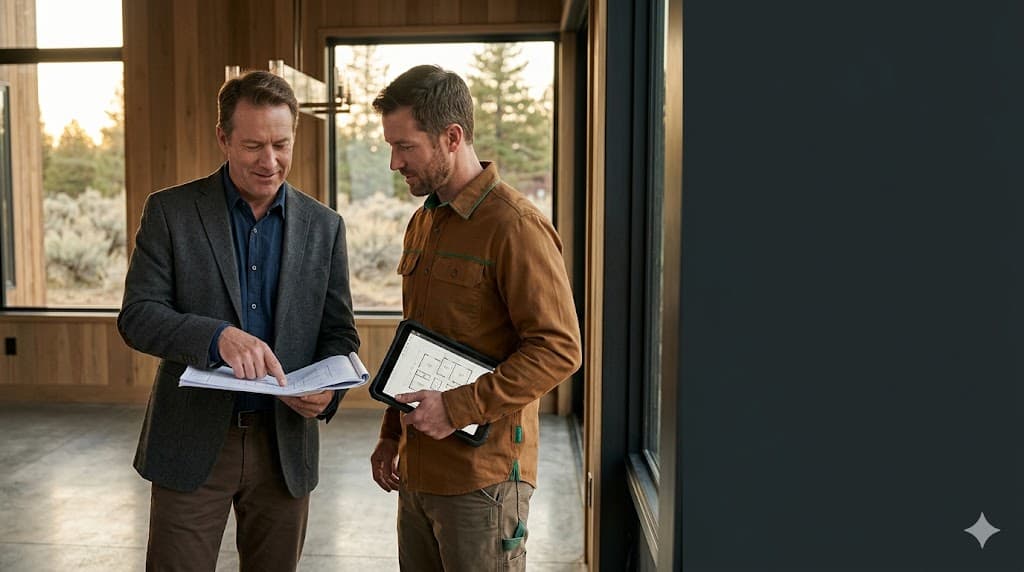
Contractor and broker reviewing a coverage program before binding

Ready When You Are

Ready When You Are

We compare carriers, review your contracts and COI requirements, and walk you through every option for Tennessee contractor coverage.

Takes ~2 minutes · We review your requirements · Coverage matched to your contracts