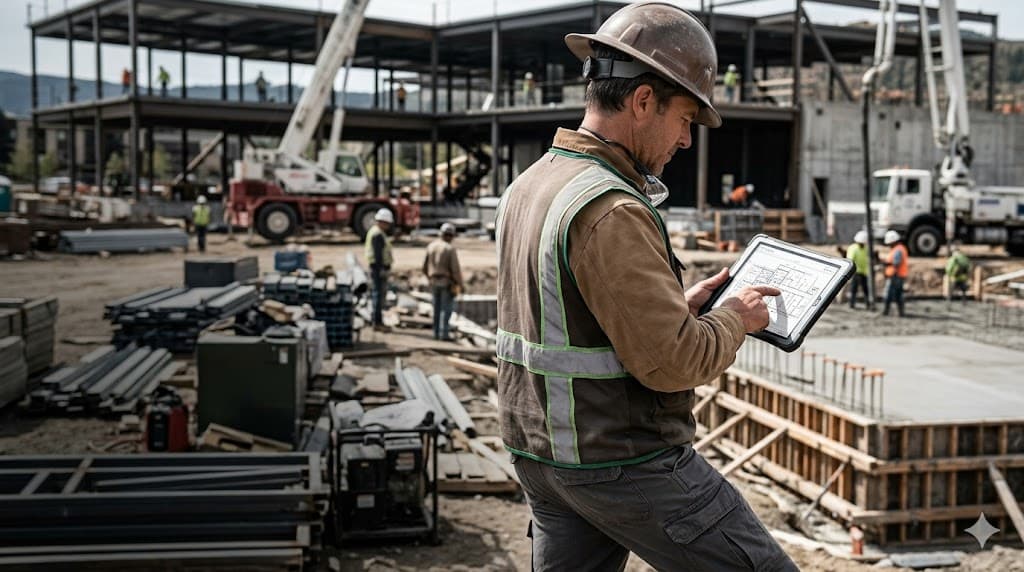
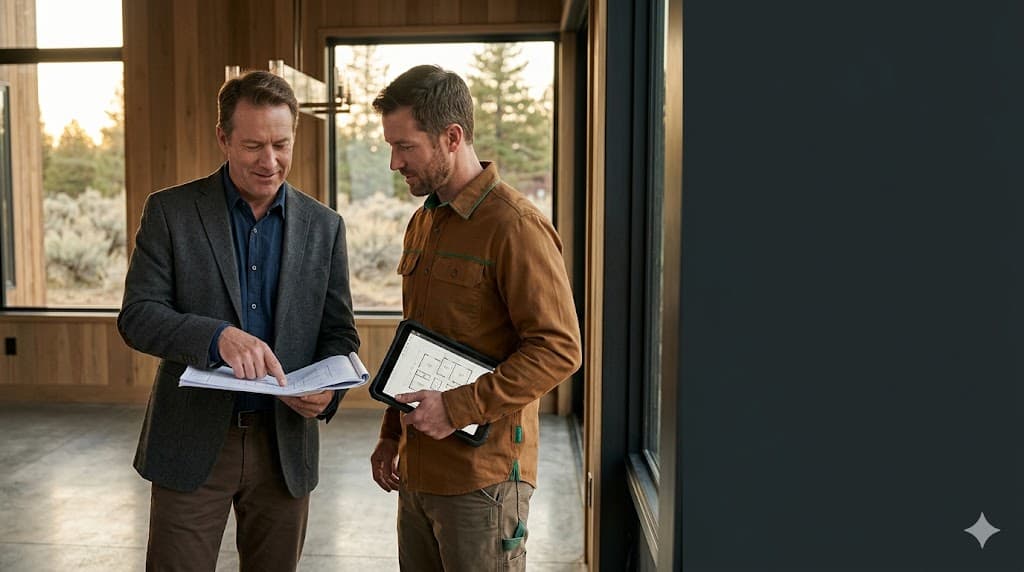
Oregon's progressive building culture creates modern insurance needs that reflect the state's emphasis on technology and sustainability. Contractors increasingly rely on Building Information Modeling (BIM), Procore, and other cloud-based project management tools that store sensitive project data, financial records, and employee information. Oregon's consumer data protection laws require businesses to notify affected individuals of data breaches, creating liability exposure that standard GL policies do not cover. Cyber liability insurance is becoming a standard recommendation for Oregon contractors with more than a handful of employees or those managing complex projects.
Drone operations have become prevalent in Oregon construction, particularly for site surveying in the hilly terrain of Portland's West Hills and for progress documentation on large commercial projects. Oregon's proximity to Portland International Airport and several smaller airfields means many construction zones fall in controlled airspace requiring Part 107 waivers. Contractors operating drones need specific UAS liability coverage, as standard GL and commercial auto policies explicitly exclude aircraft operations. Some carriers now offer drone endorsements that can be added to existing policies.
Pollution liability is critical for Oregon contractors working in the Portland metro area, where decades of industrial activity along the Willamette River have left legacy contamination. The Portland Harbor Superfund site stretches 10 miles along the Willamette and affects any construction involving soil disturbance in the adjacent areas. Oregon's Environmental Cleanup Law (ORS 465) imposes strict liability for contamination, and contractors who inadvertently spread or exacerbate contamination during excavation can be held responsible for cleanup costs. Contractor's Pollution Liability (CPL) policies are essential for demolition, excavation, and environmental remediation contractors in Oregon.