New Jersey CONTRACTOR INSURANCE SPECIALISTS

Contractor Insurance in New Jersey

Get the right contractor insurance coverage in New Jersey, including Newark, Jersey City, Paterson. We compare A-rated carriers and review your contracts and COI requirements before binding so your certificates clear the first time.

GC / Trade Sub / SpecialtyContract + Endorsement Review Before BindingCOI Cleared on First Submission

Takes ~2 minutes · We review your contracts · Coverage matched to your COI requirements

5-Star Rated on Google — Policies Serviced by Direct Insurance Services

I run a snow plow removal business and my old insurance provider dropped my coverage!! They got everything sorted out and I was insured the same day. These guys know how to help, use them!!

Jessica K., Google Review

A-Rated Contractor CarriersEvery Quote Reviewed on VideoLicensed in 29 StatesCOI + Endorsement Review

Case Studies

Contractor Insurance Case Studies

Anonymized examples of policy reviews we've completed for contractors across New Jersey and other states.

Editorial illustration representing general contractor risk
General Contractor

Jersey Shore Coastal Builder — 10-Year Warranty Claim

The Situation

A 2018 Jersey Shore custom build surfaced a warranty claim seven years post-completion under New Jersey's 10-year warranty obligation. The homeowner alleged systemic moisture intrusion at the building envelope. Remediation totaled $240,000. The contractor's CGL had completed-operations coverage but no contractors E&O for design-spec issues.

What We Did

Reviewed the CGL response against the warranty obligation framework. Coordinated the defense across the contractor's CGL and the New Home Warranty bond. Walked the contractor through the contractors E&O gap and sourced a program that addresses design-spec exposure on coastal builds going forward.

🎯 The Outcome

CGL and warranty bond paid the claim. New program includes E&O for design-spec issues. New Jersey's 10-year warranty obligation is real exposure most contractors haven't priced into their coverage stack.

Editorial illustration representing specialty trade risk
Specialty Trade

Newark Mechanical Contractor — Workplace Fraud Act Audit

The Situation

A Newark mechanical contractor's specialty subs got pulled into a Workplace Fraud Act audit. Under the ABC test, the subs' work integrated into the contractor's core trade — meaning the IC defense failed under the "B" prong. Penalties scaled per worker per violation; total exposure: $186,000.

What We Did

Walked the contractor through the ABC test conditions and the contracts that drove the work integration finding. Restructured the contractor relationships as either true ICs (with their own customer base and separate trade) or as W-2 employees with proper WC. Coordinated EPLI coverage for the audit defense.

🎯 The Outcome

Penalty resolved through a payment plan. New IC posture clears the ABC test. EPLI now in place for future audit defense. New Jersey's Workplace Fraud Act enforcement compounds across contractors who haven't reviewed their IC stack against current case law.

Editorial illustration representing subcontractor risk
Subcontractor

Hoboken Tile Sub — Public Works Registration Lapse

The Situation

A Hoboken tile sub working on a public works contract let his Public Works Contractor Registration lapse. The prime contractor's compliance review surfaced the gap during a draw cycle. Project payments held; the sub faced disqualification on three active public works jobs simultaneously.

What We Did

Pulled the registration status and walked the sub through expedited renewal. Coordinated with the prime contractor's compliance officer on the documentation submission. Implemented a registration-renewal calendar across all three required regimes (HIC, New Home Builder, Public Works) so the sub never has another lapse surface as a project halt.

🎯 The Outcome

Registration restored in 9 days; payments resumed. Going forward, the sub maintains a renewal calendar across all three NJ registration regimes. Most New Jersey specialty subs don't realize they're registered under three separate regimes that need separate renewals.

Bobby Friel, Partner at Direct Insurance Services

Bobby Friel

Partner, Direct Insurance Services

Most New Jersey contractors assume that because their HIC is current and their CGL is in place, they're covered. New Jersey is one of the toughest construction-compliance states in the country — separate registration regimes, an independent WC rating bureau, an aggressive ABC test on misclassification, and a 10-year warranty obligation on residential new construction. Tracking that against the policy isn't your job. You're running jobs. Most brokers don't read across all of it. They quoted you against one piece of the stack and missed the rest. So a 10-year warranty claim from a coastal job in 2018 surfaces, an audit on a specialty sub working under a related-trade GC pulls the IC defense, or a registration verification flags the CGL as undersized — these are surprises that should have been caught at the read. What we do is take that off your plate. We sit down with your active registrations, your premium posture, your warranty schedule, and your project mix — and read it all against the policy language on video. So an audit, a verification, or a warranty claim from years back doesn't surface a gap. When was the last time anyone walked your full registration stack and your active warranty obligations against your actual policy schedule?

When was the last time anyone read your largest GC contract against your actual policy schedule?

On Video Before Binding

Two Videos Worth Watching Before You Submit a Quote

Nobody wins if there are coverage gaps. Our team reviews contract language, endorsement forms, and classification schedules before binding — so your COI clears the first time and your claims actually respond when you need them. Watch both before you submit.

Watch: How contractor insurance actually works

Bobby Friel · Partner, Direct Insurance Services

Watch: A real commercial policy review

Patrick Henigan · Licensed Agent, Direct Insurance Services

Trades We Insure

Contractor Types We Insure in New Jersey

Every trade has different risks. We specialize in matching each contractor type to the right carrier and coverage program.

General Contractors

Multi-trade oversight, additional insured for owners, project-specific aggregates

Roofing Contractors

Steep-slope work, hail-belt frequency claims, manufacturer-warranty coordination

Electrical Contractors

Wiring liability, panel work, completed-operations exposure on remodels

Plumbing Contractors

Water-damage claims, vacant-property risk, completed-operations on residential

Coastal Storm Restoration & Rebuilding Contractors

Specialty trade exposure mapped to your contracts, classifications, and project mix

Environmental Remediation & Superfund Site Contractors

Specialty trade exposure mapped to your contracts, classifications, and project mix

Dense Urban Infill & Mixed-Use Developers

Specialty trade exposure mapped to your contracts, classifications, and project mix

Pharmaceutical & Life Sciences Facility Builders

Specialty trade exposure mapped to your contracts, classifications, and project mix

Transit & Infrastructure Contractors

Specialty trade exposure mapped to your contracts, classifications, and project mix

Waterproofing & Foundation Repair Specialists

Foundation-defect claims, equipment-on-site exposure, decade-long completed ops tail

HVAC Contractors

Equipment installation liability, refrigerant exposure, service-contract gaps

Painting Contractors

Overspray and surrounding-property claims, lead-paint exposure on older homes

📝 Helpful to Have

What Helps Us Build the Right Contractor Policy For You

The more we know about your contracts, classifications, payroll, and equipment, the more precisely we can match coverage to your real exposure. Here's what helps — and if you don't have all of it, we'll work through it together.

Current dec page (all active policies)Shows your existing limits, endorsements, classifications, and any sub-limits or warranties already in place
COI requirements from your largest GCs or ownersEndorsement language, additional-insured wording, waiver of subrogation, and limit floors driving your real coverage minimums
Master subcontract or contract templatesThe indemnification, insurance schedule, and endorsement asks the GC or owner has codified for the work
Trade classification list + revenue splitWhat classifications you actually run, with rough revenue percentages — drives carrier appetite and exposure rating
Payroll + employee count by classWC rating + employer's liability scaling — the biggest WC driver and a common renewal-time surprise
Vehicle list + driver rosterOwned, leased, hired, and employee-personal vehicles used for work — drives commercial auto + HNOA structure
Loss runs (last 5 years)Prior claims, open matters, and claim severity — drives carrier appetite and renewal pricing
Contact info to send optionsEmail and best phone for the video walkthrough

We walk through these on the call — bring what you have

Coverage Lines

Contractor Coverage in New Jersey

A complete contractor program combines six coverage lines. Here's how we build it for New Jersey GCs, specialty trades, and subcontractors.

General Liability

General liability is the foundation of every contractor program. It responds when third parties — owners, neighbors, the public — claim bodily injury or property damage tied to your work or your jobsite. It defends you, pays settlements within limits, and stops you from absorbing third-party losses out of pocket. What it does not cover is the cost to repair or replace your own work. That gap is real, and it gets contractors who think CGL is everything. NJ stacks three registration regimes — HIC for residential improvement, NHB for new-home construction, and Public Works Contractor Registration for prevailing-wage projects. CGL has to be paired against the active registrations and the actual contracts on file across each regime.

  • Defense and indemnity for third-party bodily injury and property damage
  • Additional-insured wording verified across HIC / NHB / Public Works scope
  • "Your work" exclusion mapped so the gaps are visible up front

Workers' Compensation + Employer's Liability

Workers' comp pays medical and lost wages when an employee is injured on the job. Employer's liability sits alongside it and covers the lawsuit side — claims from a worker's family, a co-defendant, or another contractor passing a claim through to you — that workers' comp alone doesn't reach. WC is required by law; EL is the lawsuit cover. Both matter, and the limits don't have to match. NJ operates its own workers' comp rating bureau (CRIB), separate from NCCI. The rating math reads differently. NJ enforces an aggressive ABC test on construction IC classification — when crew structure fails the test, those workers are treated as employees of whoever hired them, and the up-chain exposure lands on the GC.

  • WC at the CRIB rating, mod tracked across renewals
  • EL sized against ABC-test up-chain exposure
  • Crew classification verified before binding, not at audit

Tools & Equipment / Inland Marine

Inland marine covers the rolling stock of a contractor's business — tools, equipment, materials in transit, and contractor-owned gear at jobsites. Standard CGL doesn't reach this exposure. A theft off a remote site, damage during transit, a unit dropped during install, a chiller chassis sitting on a roof pad before commissioning — these are inland marine losses, and the policy form has to be current to actually answer. NJ contractors run equipment between northern industrial corridor (Newark, Jersey City), central commercial sites, and shore-area work in Atlantic and Cape May counties. Equipment-theft frequency varies by region. Newer policy forms include the telematics and rental-reimbursement provisions older forms left out.

  • Tools, equipment, materials in transit, gear at jobsites
  • Telematics provisions reviewed against urban-corridor theft frequency
  • Rental-reimbursement extension if a unit's down

Builder's Risk / Course of Construction

Builder's risk covers the structure during construction — the building itself, materials onsite, and materials in transit. It's typically required by the lender, the GC, or the building department on any project of size. The trigger language matters: what perils are covered, what the deductible structure is, whether soft costs are included, whether there's a freeze-loss carve-back. The form your project is on may not match the project's actual exposure profile. NJ shore-area projects carry hurricane and named-storm exposure that changes the deductible math. Northern NJ urban infill carries close-quarters adjacent-property exposure that adds another layer. We walk the form against the project type, ZIP-code peril profile, and soft-cost extension before binding.

  • Structure, materials onsite, materials in transit
  • Named-storm and adjacent-property deductibles read before binding
  • Soft-cost extension verified for the project schedule

Professional Liability (Contractors E&O)

CGL pays when your work damages someone else's property. Contractors professional liability — also called contractors E&O — pays to fix the work itself. That's the gap E&O fills. It covers faulty-workmanship, design-spec, and means-and-methods claims. A slab-curing skip, a moisture-meter miss on a flooring install, a value-engineered foundation detail — these get defended and paid through a covered policy instead of out of pocket. NJ's New Home Warranty and Builders' Registration Act creates a 10-year warranty obligation on residential new construction. Workmanship-defect claims surface across that decade. CGL alone never reaches the rework. E&O is the policy that does — and on coastal residential, the gap shows up at warranty-call time.

  • Faulty-workmanship and design-deviation defense and indemnity
  • Resulting-damage language read alongside CGL "your work" exclusion
  • Ten-year residential warranty exposure mapped against the policy term

Commercial Auto + Hired & Non-Owned Auto

Commercial auto covers the vehicles your business owns — pickups, work trucks, equipment-haulers. Hired and non-owned auto (HNOA) fills the gap between your owned fleet and the cars and trucks your employees drive on company business but you don't title — rentals, employees in personal vehicles running parts, foremen using their own pickups for site visits. HNOA is often overlooked by contractors and frequently missing at claim time. NJ crews drive between northern, central, and shore-region jobsites — including Turnpike, Garden State Parkway, and tunnel/bridge corridors with multi-vehicle severity exposure. HNOA against the way employees actually drive (parts runs, multi-jurisdiction site visits) is the line that goes missing on policies bound for a single market.

  • Owned fleet schedule reconciled to actual vehicles
  • HNOA endorsed against multi-jurisdiction driving
  • Tunnel, bridge, and turnpike severity considered in limits

Your New Jersey Contractor Reality

Landscape, Licensing, Realities & Premium Drivers

Four angles on what shapes contractor underwriting and project compliance for New Jersey businesses.

Construction Markets Across New Jersey

New Jersey packs remarkable geographic and economic diversity into the fourth-smallest state in the nation. Northern New Jersey is dominated by the New York City metropolitan influence, with dense urban construction concentrated along the Hudson River Gold Coast—Jersey City, Hoboken, and Weehawken have experienced an unprecedented building boom of luxury high-rises and mixed-use towers over the past two decades. Newark, the state's largest city, is undergoing its own downtown revitalization with the Ironside Newark development and expansion around Penn Station. The Meadowlands corridor through Secaucus, Kearny, and East Rutherford supports major logistics and entertainment infrastructure including MetLife Stadium and American Dream. Central New Jersey has emerged as one of the East Coast's most important warehouse and distribution corridors, with the Exit 8A area of the Turnpike in Monroe and Cranbury attracting massive fulfillment centers for Amazon, FedEx, and other logistics companies. The Route 1 corridor from New Brunswick to Princeton is the state's pharmaceutical and life sciences hub, with Johnson & Johnson, Bristol-Myers Squibb, and numerous biotech firms driving specialized laboratory and cleanroom construction. Edison, Woodbridge, and the Raritan Valley offer a mix of residential and commercial development that keeps contractors busy year-round. The Jersey Shore, stretching from Sandy Hook to Cape May, was fundamentally reshaped by Hurricane Sandy in 2012 and continues to define coastal construction requirements. FEMA flood map revisions have forced hundreds of thousands of properties to elevate or retrofit foundations, creating sustained demand for specialized coastal contractors. South Jersey, anchored by Cherry Hill and the suburban communities surrounding Philadelphia, provides more affordable residential construction, while Camden's ambitious waterfront revitalization and the growing presence of Rutgers-Camden and Cooper University Hospital have created new institutional construction opportunities.

North Jersey/NYC Metro (Newark, Jersey City, Hoboken)
Jersey Shore (Toms River, Long Branch, Atlantic City)
Central Jersey (Edison, New Brunswick, Princeton)
South Jersey (Cherry Hill, Camden, Vineland)
NW Highlands (Morristown, Parsippany)
Meadowlands (Secaucus, Kearny, Elizabeth)

Every New Jersey Region

We look at four things regardless of region: trade classification, payroll/receipts, subcontractor mix, and loss history. State picks the rulebook. These four shape the price inside it.

Local Risk Intelligence

Critical Coverage Gaps by New Jersey City

Risks vary across Newark, Jersey City, and Edison. Switch tabs for the specific threats contractors face in each major metro — and the coverage gaps that catch them off guard.

New Jersey Metro

Newark Contractors: Critical Coverage Gaps

1

Port & Industrial Contamination

Newark's industrial heritage and port proximity leave many redevelopment sites contaminated. The Ironbound district and port area contain legacy pollution requiring careful handling.

Real exampleA contractor excavating in the Ironbound hit buried chemical waste — NJDEP-mandated cleanup cost $225,000.

What you needContractors pollution liability + environmental impairment + NJDEP compliance

2

Dense Urban Construction Liability

Newark's tight urban core makes construction adjacent to occupied buildings extremely risky. Vibration, noise, and physical damage claims are frequent.

Real examplePile driving for a downtown Newark tower cracked the facade of an adjacent 100-year-old building — repairs totaled $155,000.

What you needGL with adjacent property + vibration endorsement + $5M umbrella

3

Airport Proximity Restrictions

Newark Liberty International Airport imposes FAA height restrictions and flight path considerations on nearby construction, especially crane operations.

Real exampleA crane exceeded FAA height limits near Newark Airport — emergency lowering and FAA fines cost $45,000.

What you needAviation obstruction liability + professional liability + crane endorsement

We also serve contractors in:

Paterson, NJElizabeth, NJWoodbridge, NJToms River, NJHoboken, NJCherry Hill, NJPrinceton, NJ

New Jersey Coverage Gap Analysis

See where your current policy leaves you exposed

We review your contracts, your trade classifications, and your endorsement schedule against the risks specific to where you actually work in New Jersey.

Risk Calculator

Want to Know Your New Jersey Contractor Risk Profile?

Our Risk Calculator surfaces the biggest gaps in 60 seconds — no email required.

Contractor Risk Calculator

Check Your New Jersey Contractor Risk in 60 Seconds

10 questions, ~6 seconds each. Surfaces COI gaps, classification exposure, umbrella tower sufficiency, and equipment coverage misalignment.

What it surfaces

COI gaps

Endorsement misalignment

Classifications

Excluded trade exposure

Umbrella tower

Aggregate sufficiency

Equipment + auto

Inland marine + HNOA

Sample question · 1 of 10~6 sec each

Does your General Liability policy include the additional-insured endorsement form your largest GC actually requires (CG 2010 + CG 2037, or equivalent)?

Yes, current forms confirmed
I think so, never verified
No / Not sure

Live calculator scores your answers and flags coverage gaps at the end — no email required.

Did you know? COI rejection on a single endorsement form mismatch can delay a project start by 2-4 weeks — and lose the bid entirely on retainer work.

FreeNo email required60 seconds10 questions

Policy Mistakes We Find

8 Contractor Insurance Mistakes That Cost New Jersey Businesses

These are the gaps we find in almost every contractor policy review. How many apply to yours?

1

📜 When was the last time anyone read your largest GC contract against your actual policy schedule?

Indemnification, additional-insured wording, primary/non-contributory, waiver of subrogation, and limit floors are negotiated in the contract — and most contractors only learn what their policy doesn't match after the COI gets rejected.

2

🚫 Has a GC ever rejected your COI on the first submission — and what did that delay actually cost?

Wrong CG endorsement, missing waiver, certificate-holder name mismatch, insufficient limits — all of it can be checked against the contract before binding. Most rejections trace to one or two specific endorsement details.

3

🛠️ Could you bid a $5M project tomorrow with the limits and endorsements you have today?

Larger commercial contracts demand $2M-$5M aggregate limits, per-project aggregate, blanket additional-insured, and a working umbrella tower. If your program isn't already bid-ready, you're losing work you didn't know you'd lost.

4

👷 Has anyone audited your trade classifications against the work you actually do?

Carriers exclude classifications you didn't disclose. A roofing job billed under a 'painting' classification is the kind of gap that denies the entire claim. Every renewal is a chance to verify your real exposure is still on the policy.

5

🚛 Does your auto policy actually cover work trucks, hired vehicles, and employees driving personal cars on company time?

Personal auto policies exclude business use. Commercial auto + Hired & Non-Owned Auto (HNOA) is the only consistent answer. Most contractors don't realize the gap until an at-fault accident on a job-related drive.

6

🏗️ When you start a new build, does your builder's risk start the day materials hit the site — or the day they're nailed in?

Materials in transit and stored offsite are common gaps. Coverage trigger language, soft cost coverage, and resumption of operations periods all vary by carrier and rarely match the lender's actual expectation.

7

🧰 What covers your tools, equipment, and gear when they leave the office and travel between jobsites?

Standard property doesn't reach equipment in transit or on jobsites. Inland Marine (Contractor's Equipment) is the right line. Coverage limits, per-item caps, and rental-reimbursement extensions all need to map to project schedule reality.

8

📐 What happens when a homeowner or owner blames a design or specification error on your work?

CGL excludes 'your work' and design-spec liability. Contractors E&O / Professional Liability is the only line that responds. Specialty trades that select materials, recommend systems, or sign off on design details are exposed without it.

Before You Decide

Things You're Probably Wondering

We're mid-term on our current policy — do we have to wait for renewal?

Not always. If a meaningful gap is on the policy (wrong CG endorsement, missing waiver of subrogation, an additional-insured form a major GC rejects, an excluded trade classification, an absent inland marine line), it's often worth canceling mid-term and rewriting. We walk you through the math on whether the unearned premium refund and new policy cost make sense. If renewal is 90 days out, usually wait. If it's 9 months out and a $3M project is held up by a COI rejection, often worth moving now.

How fast can we have coverage in place?

Most reviews wrap in 3-7 business days from first conversation to bound coverage. The faster end happens when your submission is thorough — current dec page, the GC contract or COI requirement you're trying to satisfy, classifications and revenue split, payroll, vehicle list, and loss runs ready upfront. The longer end is when we're chasing details one piece at a time. We don't rush the contract review, but we don't drag one either.

What happens when a GC pushes back on our COI during their compliance review?

You forward us the GC's insurance requirements and the rejection notice. We compare what they're asking for against your policy's actual schedule, push the carrier for endorsement adjustments where the gap is real, and reissue a corrected COI or send the GC a coverage breakdown that matches their requirements. Most pushback traces to one or two specific endorsement details — once you know which ones, the fix is usually fast and the project doesn't get held up.

Our Process

Bobby Friel, Partner at Direct Insurance Services

Bobby Friel

Partner, Direct Insurance Services

How We Work With You

Six steps from first conversation to bound coverage — the consultative review you saw on video earlier, mapped to your contracts, your trade, and your crew.

1

Read your largest GC contract or owner agreement

The indemnification, insurance schedule, and endorsement requirements drive what your policy actually has to deliver. We start there, not with a generic quote form.

2

Walk your trade classification + payroll + revenue split

What classifications you actually run, the percentage of revenue each represents, and how payroll maps. Misclassifications cause claim denials — we catch them up front.

3

Pull current dec page + loss runs

Current limits, endorsements, classifications, and sub-limits already in place. Five years of loss runs to spot the patterns carriers will price against.

4

Map the contract requirements against your real policy schedule

We mark every requirement that matches, every requirement that doesn't, and every endorsement we'd need to add. You see the gap before any quote leaves our office.

5

Quote across multiple carriers + walk you through every option on video

We run the submission across our specialty contractor markets and walk you through each carrier's program — limits, endorsements, exclusions, sub-limits, and how each maps to your contracts.

6

Bind, issue COI immediately, and stay in the relationship

When you bind, the certificate goes to your GC, owner, or lender same-day. We renew with you 90 days out — not 14 days out under deadline pressure.

Multi-Market Contractor Access

Appointed across specialty contractor markets

We compare quotes across 30+ A-rated carriers writing contractor risk — not just the cheapest, but the right combination of classifications, endorsements, and limits for your trade and contracts. We're appointed across specialty contractor markets that the typical local broker cannot quote against.

Future Pacing

What Happens After You Have The Right Coverage

Once your contractor program actually matches your contracts, your trades, and your equipment, COI submissions stop being a panic. GC compliance reviews don't stall because your endorsement language doesn't quite match. New project starts move faster because your insurance documentation clears compliance on first submission. Subcontractor onboarding doesn't get held up by certificate rejections. And when a real claim hits — a property loss, a third-party injury, an equipment theft, a design-spec dispute — you're not finding out at the worst moment that the policy schedule didn't cover what you assumed it did.

  • GC contracts and owner requirements clear COI compliance review on first submission
  • New project starts are not delayed by certificate rejections or last-minute endorsement scrambles
  • Trade classifications, payroll exposure, and equipment schedules match the work you actually do
  • Renewal review starts 90 days out with no carrier non-renewal surprises or last-minute appetite changes

Carrier Partners

Carriers We Work With

We compare quotes from multiple A-rated contractor carriers to find New Jersey businesses the right combination of coverage, classifications, and price.

Travelers contractor insurance carrier logo
Chubb contractor insurance carrier logo
The Hartford contractor insurance carrier logo
Liberty Mutual contractor insurance carrier logo
CNA contractor insurance carrier logo
Nationwide contractor insurance carrier logo
RLI contractor insurance carrier logo
Amwins contractor insurance carrier logo
Travelers contractor insurance carrier logo
Chubb contractor insurance carrier logo
The Hartford contractor insurance carrier logo
Liberty Mutual contractor insurance carrier logo
CNA contractor insurance carrier logo
Nationwide contractor insurance carrier logo
RLI contractor insurance carrier logo
Amwins contractor insurance carrier logo

Plus additional specialty contractor markets we're appointed with for high-revenue GCs, niche trades, and bid-bond programs.

🗺️ Multi-Market Reach

New Jersey contract endorsements and class codes drive carrier appetite — multi-market shopping matches your trade to the right paper.

Contractor carriers underwrite state-specific contract endorsement language, state workers' comp class codes, and state-specific umbrella tower needs differently. We shop your trade, your active GC contracts, and your project mix across multiple commercial carriers — so the policy actually clears New Jersey job sites and matches the contracts you sign, not a generic template bound off the prior dec page.

The Complete Contractor Insurance Guide

Insurance Service 365

Want to Go Deeper?

Read the Complete Contractor Insurance Guide

A comprehensive 5,000-word guide covering every coverage type, contract endorsement specifics, real case studies from policy reviews, and the 8 mistakes we find on most contractor reviews. Free, no email required.

  • Contract endorsement deep-dive — CG 20 10 04 13 vs. earlier editions, CG 20 37 completed ops extension, primary and non-contributory, waiver requirements
  • Workers comp classification — NCCI vs. state-bureau states, state-fund coverage in Ohio / Washington / Wyoming, audit-time correction math
  • Completed operations and the long tail — why most contractor claims surface after the work is done, and which policy forms actually carry the right protection
  • The 8 most common gaps — endorsement edition mismatches, classification errors, missing primary/non-contributory, undersized umbrella, scheduled-tools sublimits, HNOA gaps, completed operations exclusions, contract-flow-down failures

~5,000 words · 15 min read

Frequently Asked

New Jersey Contractor Insurance FAQs

All home improvement contractors in New Jersey must register with the Division of Consumer Affairs and obtain an NJHIC registration number. This number must appear on all contracts, advertising, and business correspondence. Registration requires proof of general liability insurance with minimum $500,000 per occurrence. Operating without registration can result in significant fines.

New Jersey contractor insurance premiums depend on your trade classification, payroll, claims history, and the contract requirements from your GCs. To get an accurate number for your New Jersey operation, use our Risk Calculator or request a contract-ready quote review.

Yes. New Jersey requires workers' compensation for all employers with one or more employees. There are no exemptions based on company size. Coverage is obtained through private carriers. New Jersey has relatively high workers' comp rates compared to the national average, particularly for high-risk construction trades.

New Jersey's Consumer Fraud Act and Home Improvement Practices regulations provide strong homeowner protections. Contractors must provide detailed written contracts, honor a three-day right of rescission for door-to-door sales, and include their NJHIC number on all materials. Violations can result in treble (triple) damages, making compliance essential.

Sandy (2012) reshaped Shore contractor insurance requiring elevated FEMA flood zone compliance including raised foundations. Builder's risk now routinely excludes or separately rates wind and flood for coastal projects.

NJ has more Superfund sites than any other state. Contractors on contaminated properties must carry CPL insurance, critical in the Meadowlands, Newark Bay, and Passaic/Hackensack corridors.

High density, treble damages under the Consumer Fraud Act, elevated workers' comp, high medical costs, and coastal flood/hurricane exposure all contribute to NJ's high insurance costs.

Regulatory Snapshot

New Jersey Contractor Insurance Requirements

Key insurance and regulatory requirements that contractors operating in New Jersey should know.

1

All home improvement contractors must register with the New Jersey Division of Consumer Affairs (NJHIC registration) and carry general liability insurance with minimum $500,000 per occurrence.

2

Workers' compensation is required for all New Jersey employers with one or more employees. New Jersey has relatively high workers' comp premiums due to its proximity to the NYC metro and higher cost of living.

3

New Jersey's Consumer Fraud Act provides strong protections for homeowners, and contractors must provide detailed written contracts for all home improvement projects. Violations can result in treble damages.

4

New Jersey's strict environmental regulations under NJDEP require contractors working on contaminated sites (including many former industrial properties and Superfund locations) to carry pollution liability insurance and follow Site Remediation Reform Act (SRRA) protocols.

5

Contractors working in the Jersey Shore coastal zone must comply with CAFRA (Coastal Area Facility Review Act) permitting requirements, including setback lines, dune protection standards, and elevated foundation requirements for construction in flood hazard areas.

6

New Jersey requires all public works contractors to pay prevailing wages under the state's Prevailing Wage Act, and contractors must be registered with the Department of Labor and Workforce Development to bid on public projects.

Regulatory Deep Dive

New Jersey Contractor Insurance Regulations

How New Jersey regulators shape contractor coverage — and the modern exposures generic policies miss.

Regulatory Environment

Insurance Regulatory Environment

New Jersey's insurance regulatory framework for contractors is anchored by the Home Improvement Contractor (NJHIC) registration program administered by the Division of Consumer Affairs. All contractors performing residential work must register and carry general liability insurance with a minimum of $500,000 per occurrence. The NJHIC number must appear on all contracts, proposals, advertisements, and business cards. The New Jersey Department of Banking and Insurance oversees the insurance marketplace, which is highly competitive but expensive due to the state's dense population, high property values, and litigation-friendly environment. The Consumer Fraud Act is particularly impactful—it enables treble (triple) damages for violations, which significantly drives up liability premiums statewide and makes New Jersey one of the most expensive states for contractor insurance.

Workers' compensation in New Jersey is mandatory for all employers with one or more employees, with no small-business exemptions. The state uses a competitive private insurance market with rates that rank among the highest in the Mid-Atlantic region, driven by high medical costs, the NYC metro wage influence, and a generous benefits structure. New Jersey's workers' comp system provides temporary disability benefits at 70% of the average weekly wage, one of the higher replacement rates nationally. The Compensation Rating and Inspection Bureau (CRIB) administers classification codes and experience modification ratings. General contractors face statutory employer liability for uninsured subcontractors, making certificate verification essential on every project.

Commercial auto insurance in New Jersey is notably expensive due to the state's mandatory Personal Injury Protection (PIP) requirements, dense traffic patterns, and high accident rates—particularly along the Turnpike, Parkway, and Route 1 corridors. New Jersey requires 15/30/5 minimum liability limits with $15,000 PIP, though most commercial contractors carry substantially higher limits. The state also imposes a 6-year statute of limitations for construction defect claims and follows a modified comparative negligence standard, meaning contractors can be held liable for damages proportional to their degree of fault as long as they are not more than 50% responsible.

Modern Exposures

Modern Coverage Needs in New Jersey

Drone technology has become increasingly prevalent among New Jersey contractors for site surveying, progress monitoring, coastal storm damage assessment, and aerial photography for marketing and documentation. Contractors flying drones along the Jersey Shore for post-storm inspections and over dense urban sites in Jersey City, Newark, and Hoboken face elevated liability exposure due to proximity to Newark Liberty International Airport (controlled airspace), high pedestrian density, and complex wind patterns around tall buildings. FAA Part 107 certification is required but does not provide liability protection—separate drone liability insurance or a drone endorsement on the general liability policy is essential. Many larger contractors also use drones for roof inspections and solar panel installation surveys, reducing fall risk but creating new aviation liability exposure.

Cyber liability insurance has become critical for New Jersey contractors, particularly those working on pharmaceutical and life sciences facilities along the Route 1 corridor, government infrastructure projects, and large commercial developments that involve connected building management systems. The 2020 cyberattack on the New Jersey courts system and ongoing ransomware threats to municipal governments have heightened awareness of cyber risk in the construction sector. Contractors handling sensitive building plans, client financial information, and smart building technology should carry cyber liability coverage that addresses data breach notification costs (New Jersey has strict notification requirements), business interruption from cyber events, and social engineering fraud.

Pollution liability is arguably more critical in New Jersey than in any other state. New Jersey has more EPA Superfund sites than any other state in the nation, concentrated in the Meadowlands, Newark Bay, Passaic River corridor, and former industrial areas throughout northern and central New Jersey. The Site Remediation Reform Act (SRRA) and the Industrial Site Recovery Act (ISRA) require environmental assessments and remediation for most property transactions involving industrial or commercial properties. Contractors working on brownfield redevelopment, former gas station sites, pre-war building renovations (lead paint and asbestos), and any project near a known contaminated site should carry contractor's pollution liability (CPL) insurance. The NJDEP's strict enforcement and the potential for third-party claims from neighboring properties make pollution liability coverage essential rather than optional for many New Jersey contractors.


Cost Drivers

What Affects Contractor Insurance Costs in New Jersey?

Contractor insurance pricing depends on your trade, contracts, payroll, and loss history. Here are the factors that carry the most weight in New Jersey carrier underwriting.

1

Active registrations across HIC / NHB / Public Works

NJ contractors typically operate across multiple registration types — Home Improvement Contractor (HIC), New Home Builder (NHB), and Public Works Contractor for prevailing-wage projects. The breadth of active registrations drives both CGL underwriter posture and the bond-and-insurance minimums the contractor has to meet.

2

CRIB experience-mod position (own bureau, not NCCI)

NJ operates its own workers' comp rating bureau separate from NCCI. The mod math reads differently than in NCCI states, and a single severity event can move the mod meaningfully. Current CRIB position drives renewal pricing across multiple rating cycles.

3

Construction Industry IC framework compliance

NJ enforces an aggressive ABC test on construction IC classification, and crews that fail the test are treated as employees of whoever hired them. Contractors with verified W-2 crews and clean classification practices price differently from those carrying audit risk on 1099 framers, drywallers, or finish trades.

4

New Home Warranty 10-year obligation exposure

NJ's New Home Warranty and Builders' Registration Act creates a 10-year warranty on residential new construction. New-home builders carry tail exposure across that decade, which drives both CGL completed-operations sizing and contractors E&O need across the program.

5

Coastal-zone project mix

NJ shore-area residential and commercial — Atlantic City, Cape May, Long Beach Island — carries hurricane and named-storm exposure. The percentage of coastal work in the project mix drives both builder's risk deductible structure and CGL underwriter posture at quote.

6

Loss history including warranty and ABC-test claims

Open warranty claims from prior years, ABC-test reclassification audits, and CRIB severity history all carry into renewal pricing. NJ's CRIB rating math compounds prior loss across multiple rating cycles.

Local

Cities We Serve in New Jersey

We write contractor insurance for Newark, Jersey City, Paterson, and businesses across New Jersey.

Newark, NJJersey City, NJPaterson, NJElizabeth, NJEdison, NJWoodbridge, NJLakewood, NJToms River, NJHamilton Township, NJTrenton, NJ

Nearby

Contractor Insurance in Nearby States

We write contractor insurance across 29 states. Explore coverage in nearby states where we're licensed.

National Footprint

Contractor Insurance in All 29 States

We write contractor insurance across 29 states. Select a state to learn about local licensing, costs, and coverage options.

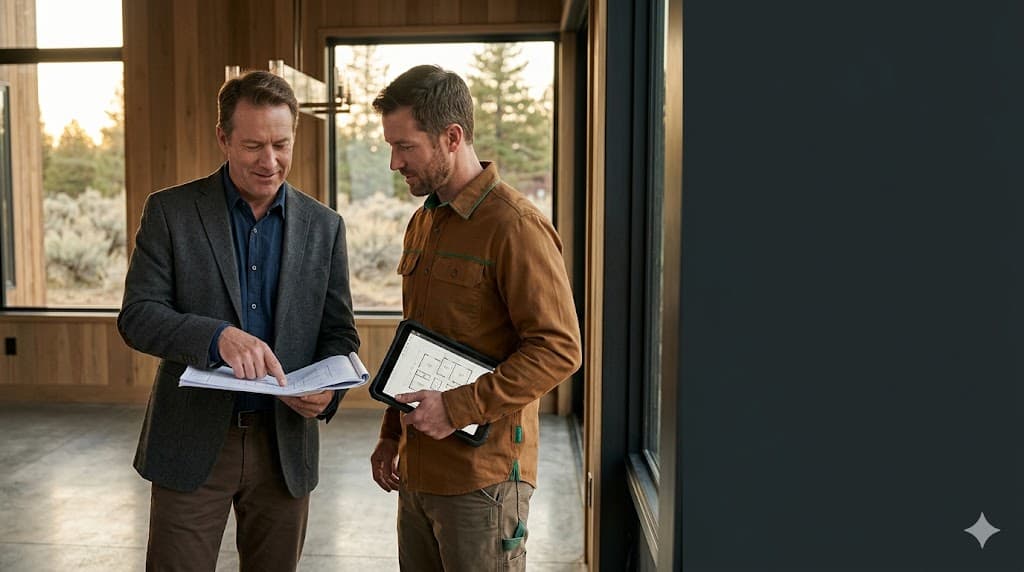
Contractor and broker reviewing a coverage program before binding

Ready When You Are

Ready When You Are

We compare carriers, review your contracts and COI requirements, and walk you through every option for New Jersey contractor coverage.

Takes ~2 minutes · We review your requirements · Coverage matched to your contracts