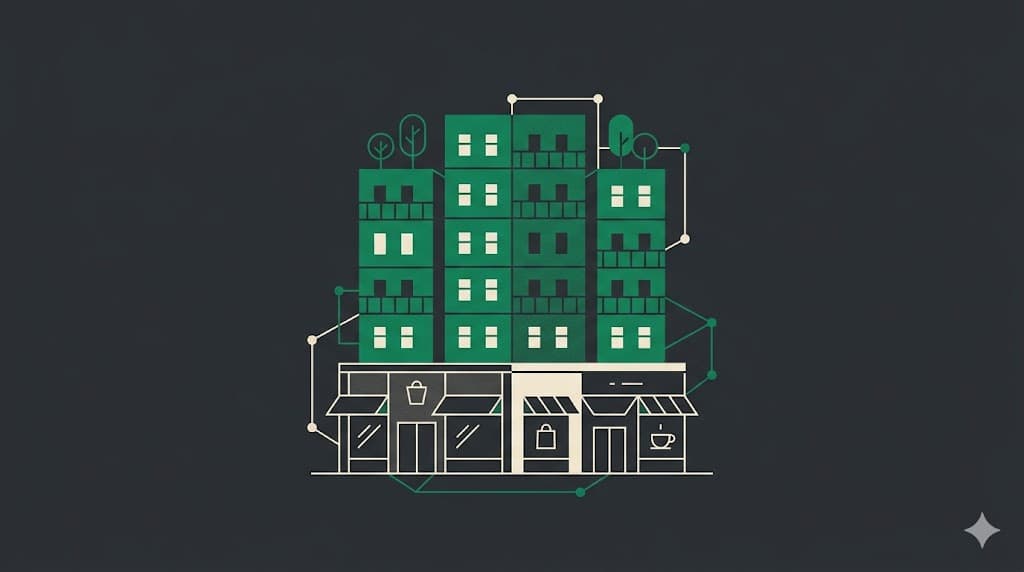

Townhome community in Frisco, Collin County.
A 38-unit attached-townhome community built 2010, with a three-member volunteer board. The community maintains a shared driveway, common landscape, retention basin, and mail kiosk. A board fining action against an owner over a non-conforming xeriscape conversion escalated when the owner alleged the board had not followed the post-2023 fining-procedure requirements under HB 614. The owner counter-claimed alleging breach of board duty and statutory violation.
Read the architectural guidelines, the fining file, and the existing master policy and D&O endorsement together. Identified that the post-2023 procedural changes under HB 614 created multiple wrongful-act windows on every defective fining action. Reviewed the wrongful-acts definition for fining-procedure scope, the discrimination-defense extension for FHA/TFHA-related counts, and the master policy GL coordination on personal-and-advertising-injury claims. Sourced a renewal program with broad-form wrongful-acts definition and updated fining-procedure documentation built into the underwriting submission.
The D&O endorsement responded to the breach-of-board-duty count, with defense paid outside the indemnity limit. The general liability policy was tendered on the personal-and-advertising-injury element. Resolution included rescission of the fines and updated fining procedures compliant with HB 614 and the broader Property Code framework. The carrier conditioned renewal on documented post-reform fining-procedure compliance; the board absorbed defense costs and procedural-overhaul investment. Texas Property Code provisions for residential property owners' associations specify open meetings, notice requirements, and collection procedures with detailed framework. HB 614 (2023) further tightened fining procedures: specific notice content, a window for the owner to correct alleged violations, and hearing-right procedures before any fining action. Texas Property Code carries a series of separate statutory restrictions on HOA enforcement powers — solar installations, flag displays, political signs, religious displays (the specific subject of SB 581, 2021), and EV charging are each governed by a distinct statutory provision that limits what an HOA can prohibit on owner property. Boards enforcing pre-reform architectural guidelines face misenforcement exposure on every related fining action.