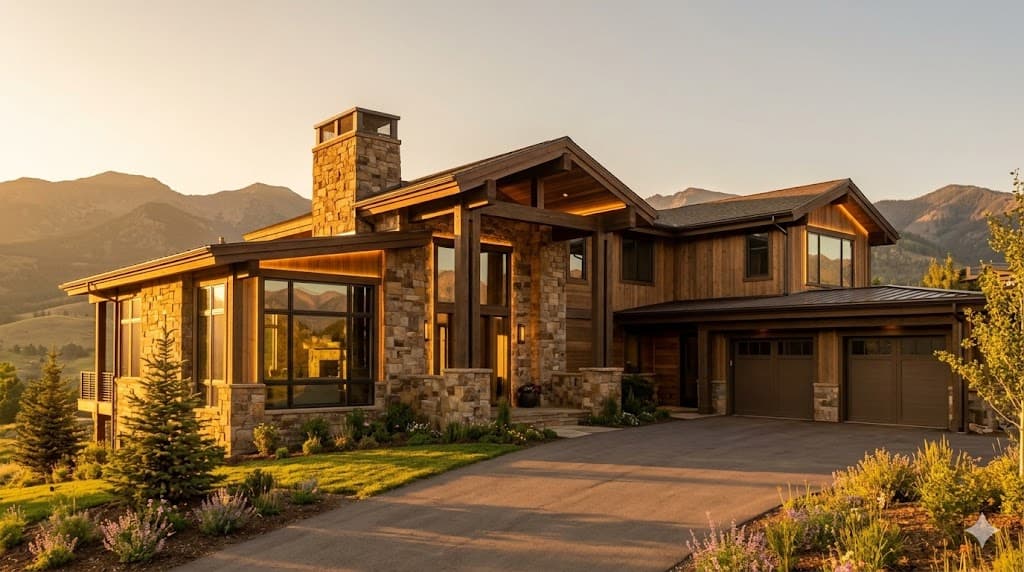
Colorado's commercial insurance environment divides across two distinct geographic and economic profiles: the Front Range urban corridor — Denver, Boulder, Colorado Springs, Fort Collins — and the resort and mountain communities from Vail and Aspen through Breckenridge, Telluride, Steamboat Springs, and Crested Butte.
HOA communities governed under the Colorado Common Interest Ownership Act (CCIOA) represent some of the most complex community-interest insurance exposures in the Mountain West — from urban condominium towers in LoDo and the Denver Tech Center to high-altitude resort HOAs managing common areas at 8,000 feet and above. HB 22-1137 and HB 23-1105 added structural and enforcement-reform requirements that have shifted board governance and board-liability exposure across the state.
Commercial real estate across the Front Range and resort markets makes building owner coverage a significant line. Landlords managing commercial properties in ski resort corridors navigate a distinct seasonal occupancy pattern and altitude-driven maintenance profile that differs materially from Denver metro commercial properties.
Colorado's growing technology and healthcare corridor — anchored in Denver, Boulder, and the Tech Center — creates meaningful cyber exposure concentration under the Colorado Privacy Act framework. Restaurant operators in resort towns and urban Denver face a liquor liability environment shaped by Colorado's Dram Shop Act, with resort-town operators managing seasonal capacity swings that affect carrier underwriting. Contractor operations span urban commercial construction, mountain resort build-out, and infrastructure projects tied to the state's continued population growth.